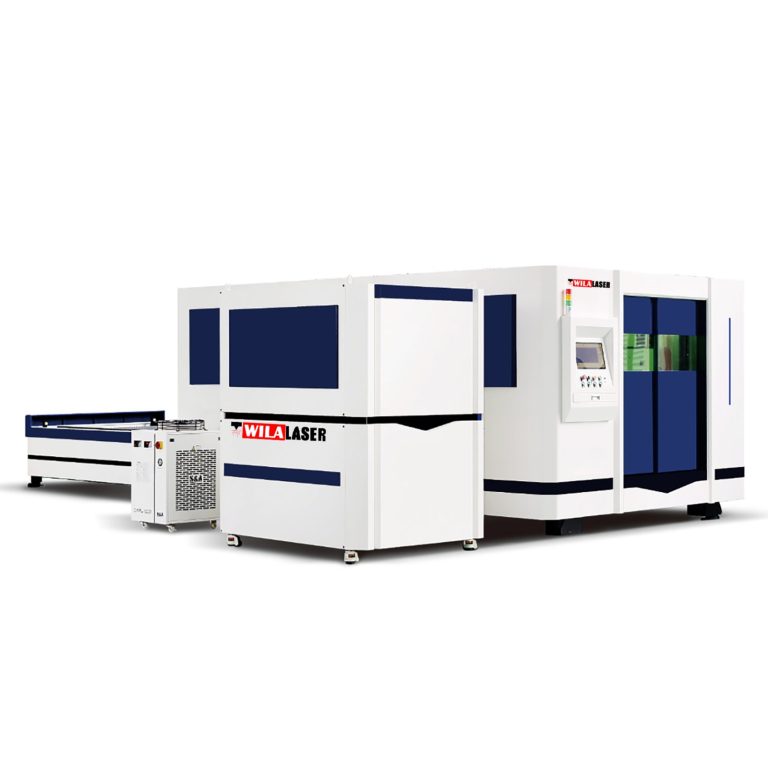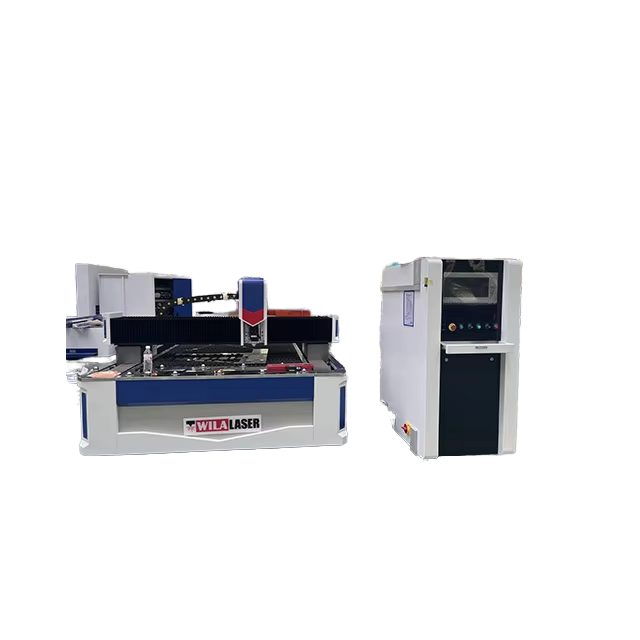

Plate & Tube Integrated Fiber Laser Cutting Machine
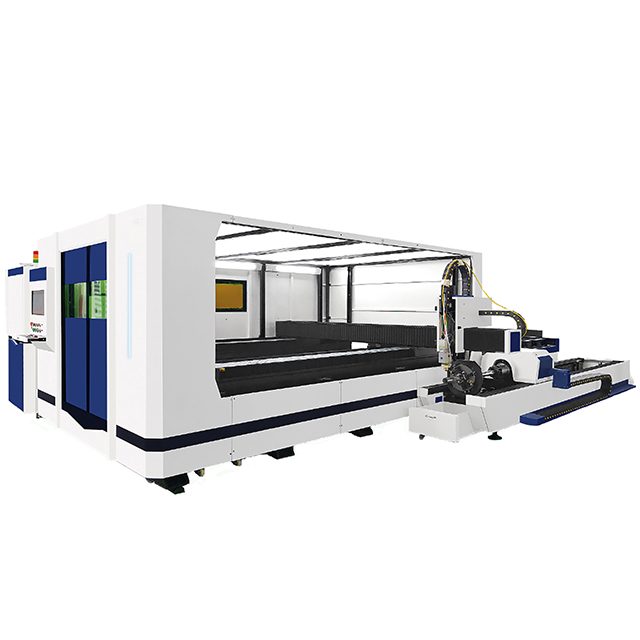
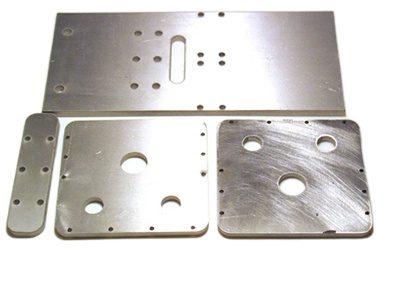
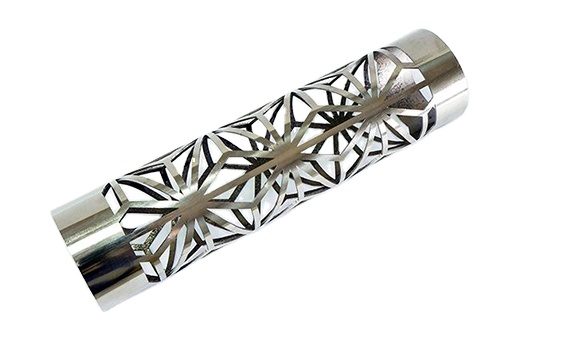
This is a fiber laser cutting machine that does both jobs: flat sheet on the bed and tube on a rotary chuck carried on the same axis. For a shop that cuts brackets and plates one day and tube the next, that removes the choice between buying two machines or sending tube work out. The cutting head is a water-cooled Raytools auto-focus unit, control is Cypcut on Beckhoff hardware, and the axes run on HIWIN guide rails with Yaskawa servo motors. Positioning accuracy is quoted at 0.02mm/m, and cutting thickness is adjustable up to 20mm. Laser power, working area and tube diameter range are all configurable — tell us the material mix, the thickest cut and the tube sizes you handle, and we will confirm the laser source, the bed size and the chuck before quoting.
| Machine Type | Metal plate and tube integrated fiber laser cutting machine |
|---|---|
| Laser Type | Fiber laser |
| Laser Power | 500 W / 1000 W / 2000 W / 3000 W / 4000 W (configurable) |
| Working Area | 1500 × 3000 mm / 2000 × 4000 mm / 2000 × 6000 mm |
| Tube Cutting | Rotary chuck on the bed axis, for tube and profile |
| Cutting Thickness | 0–20 mm, adjustable |
| Cutting Speed | Up to 15000 mm/min |
| Positioning Accuracy | 0.02 mm/m |
| Laser Head | Raytools auto-focus, water cooled |
| Control System | Cypcut software on Beckhoff control |
| Servo Motors | Yaskawa |
| Guide Rails | HIWIN |
| Graphic Formats | AI, DST, DWG, LAS, DXP |
| Applicable Material | Carbon steel, stainless steel, copper, metal |
| Certification | CE, ISO |
| Warranty | 2 years |
| Machinery Test Report | Provided |
| Video Outgoing-Inspection | Provided |
| After-sales Service | Online support, free spare parts, field installation and training, video technical support |
| Place of Origin | China |
| Brand | WILAMAC |
| Minimum Order Quantity | 1 |
One Machine for Plate and Tube
Most laser purchases start with a question the buyer would rather not answer: flat sheet or tube? A plate-only machine cannot touch a tube, and a dedicated tube machine only earns its floor space if tube work is steady. Shops that do both end up sending one of the two out.
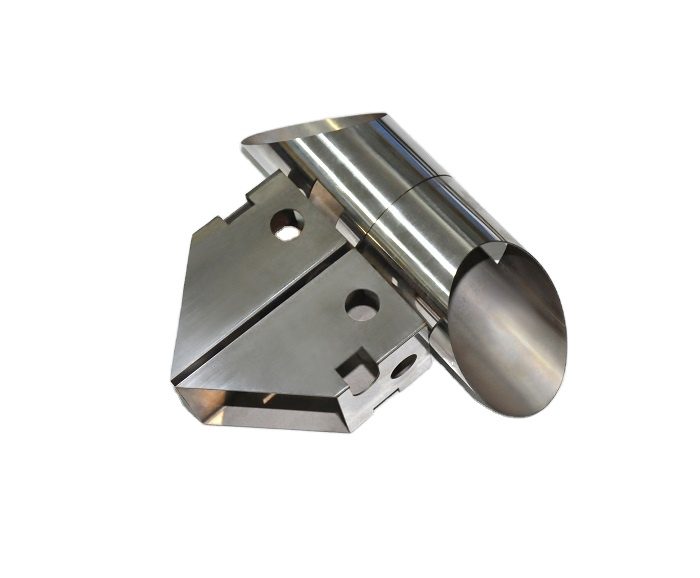
A plate and tube integrated machine puts a rotary chuck on the bed axis, so the same laser source and the same control handle both. The chuck indexes the tube while the cutting head works along the axis, which is what makes cuts on the tube wall — holes, slots, mitres and joint profiles — a programming job rather than a second operation.
What you gain is not only the machine you did not buy. It is also the setups you skip: no re-fixturing between a plate job and a tube job, no splitting a batch across two suppliers, and one nesting and programming workflow for both.
Specifying a Plate and Tube Laser
The numbers that decide the configuration are the material mix and the tube sizes. Power follows thickness: thin sheet cuts fast at low power, but the thickest section you cut sets the laser source, and that single number drives most of the machine cost.
What to send us:
- Materials you cut, and the thickness range for each
- Tube and profile sizes, including the largest section and its wall thickness
- Sheet size you load, and how many sheets per shift
- Whether tube work is steady or occasional — it affects whether a dedicated tube machine pays back
- The nesting software you already use, if any
- Voltage, phase and floor space available
Send us those and we will confirm the laser power, the working area, the chuck and the control before quoting.
Related Products