
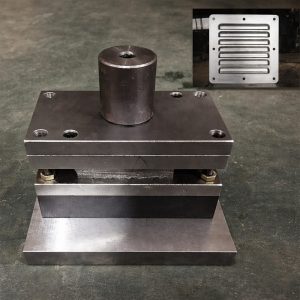
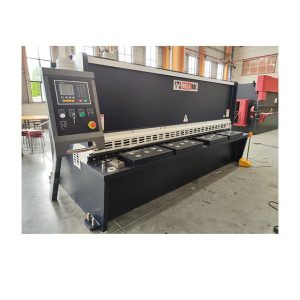

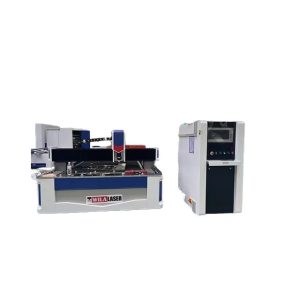
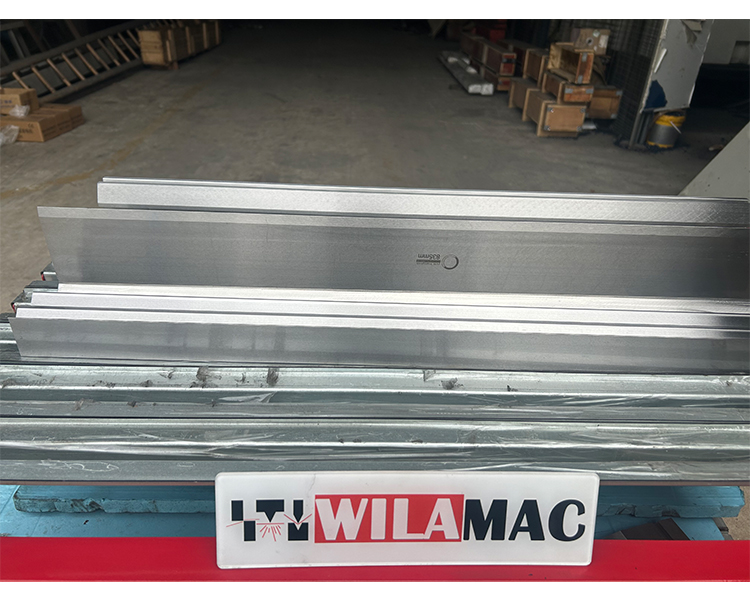
Choosing the correct press brake tooling is critical to achieving precise bending angles, protecting machine life, and minimizing costly trial-and-error in metal fabrication. Whether you are outfitting a newly acquired CNC press brake or upgrading tooling for complex profiles, selecting the right punch and die combination requires a clear understanding of several key parameters.
Here is a step-by-step engineering guide to help you evaluate and select the best press brake tooling for your production needs.
1.Evaluate Workpiece Material and Thickness
The mechanical properties of your sheet metal determine the required tool profile, radius, and steel grade:
Material Tensile Strength: Stainless steel and high-tensile structural steels produce greater springback and require higher tonnage than mild steel or aluminum.
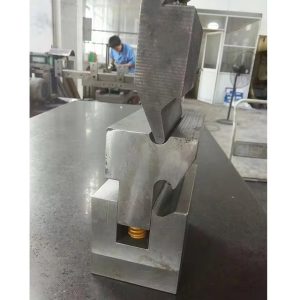
Punch Tip Radius (R): The punch radius should closely match the natural inside bend radius to prevent material cracking along the bend line.
V-Opening Selection: For standard air bending of mild steel, the general rule of thumb for the die V-opening is V = 8 * T (where T is sheet thickness). For stainless steel, consider using V = 10 * T to reduce tonnage demand and surface marking.
2.Determine the Bending Method
The tooling configuration depends directly on the bending technique:
Air Bending: The most flexible method. The punch forces the sheet into the die without contacting the bottom. It requires less tonnage and accommodates multiple angles with a single tool set.
Bottom Bending & Coining: Requires tighter tolerances and significantly higher tonnage. Dedicated tool angles (88^circ, 90^circ) and hardened profiles are required.
3.Match Tooling Style and Clamping System
Ensure the tooling tang and mounting configuration match your machine’s upper and lower clamping beam:
European / Promecam Style: The most common standard globally, featuring an offset tang and quick-clamp compatibility.
American Style: Traditional straight-tang design with set screws.
New Standard / Wila Style: Premium self-seating, high-precision clamping designed for heavy-duty and automated setups.
Table 1: Standard Press Brake Tooling Parameters
| Parameter | What to Check | Why It Matters |
| Tonnage Limit | Max load per meter (kN/m or ton/m) | Prevents permanent tool deformation or cracking. |
| Working Height | Open height and stroke clearance | Ensures box/deep-profile bending without tool collision. |
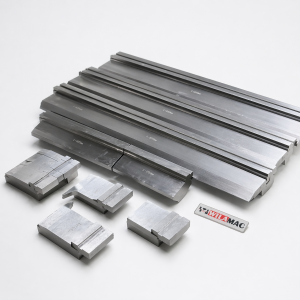
| Segmentation | Standard sectional lengths (e.g., 835mm sets with horns) | Provides flexibility for bending varied box sizes and flange |
| Hardening Depth | CNC induction hardening (HRC 50–55) | Ensures wear resistance and consistent long-term accuracy. |
4.Bending Methods: Air Bending vs. Bottoming
Selecting tooling depends heavily on your fabrication method:
Air Bending: The workpiece contacts only three points (the punch tip and two die shoulders). The angle is determined by penetration depth rather than tool geometry, offering high flexibility with fewer tooling setups.
Bottoming & Coining: The punch forces the sheet fully into the die cavity. While providing tighter angle precision and smaller inside radii, this requires 3 to 8 times more tonnage, accelerating tool edge wear.
5.Maintenance, Storage & Alignment Best Practices
Proper handling routine maintains tooling accuracy and extends equipment life:
Tang and Clamp Cleaning: Thoroughly wipe the upper clamping beam and lower tool tangs before installation. Even minute chips or grit trapped behind the tang cause measurable angle tapers across long components.
Avoid Point Overloading: Never apply heavy concentrated force to short segmented tools unless they are specifically certified for point loading.
Corrosion Control & Safe Storage: Clean all working surfaces with a light anti-corrosive oil mist at the end of every operating shift. Store segmented tools upright in dedicated modular tooling cabinets with composite dividers to prevent cutting edge damage.
Periodic Radii Inspection: Check punch tips and die shoulders regularly with radius gauges to detect localized gouging or wear before parts go out of tolerance.
Summary & Next Steps
Selecting the right tooling is not just about buying a punch and die; it is about matching your specific bending profiles, material behavior, and machine capacity.
If you are dealing with complex bending profiles, special radius requirements, or high-volume custom production, feel free to send us your cross-section drawings for a tooling layout analysis.
Related Products
- Custom Press Brake Punch & Die Tooling (42CrMo Steel) — custom tooling to your drawing
- Segmented Press Brake Dies & V-Angle Punch Tooling — segmented and V-angle tooling
- Press Brake Quick Release Clamp — Wila Type / Promecam / Amada Tooling Holder — one-touch tool changes
- Press Brake Accessories & Spare Parts — spares that keep the brake running


