


Segmented Press Brake Dies & V-Angle Punch Tooling
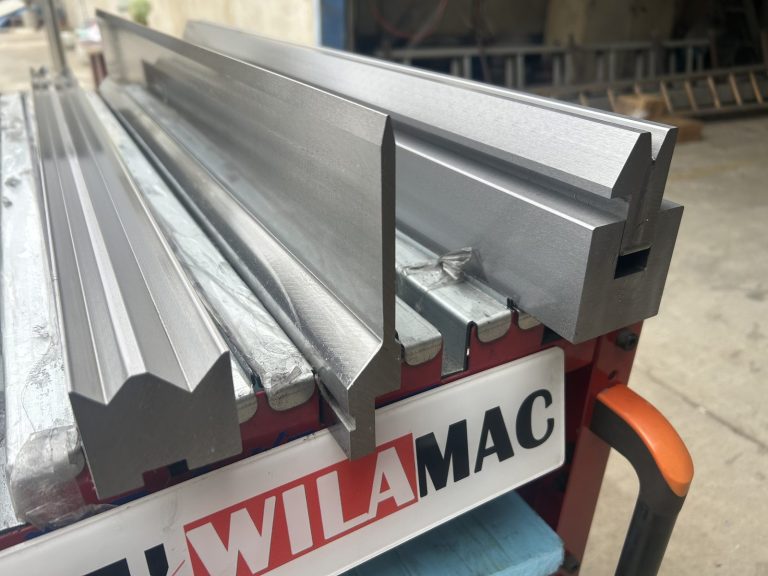
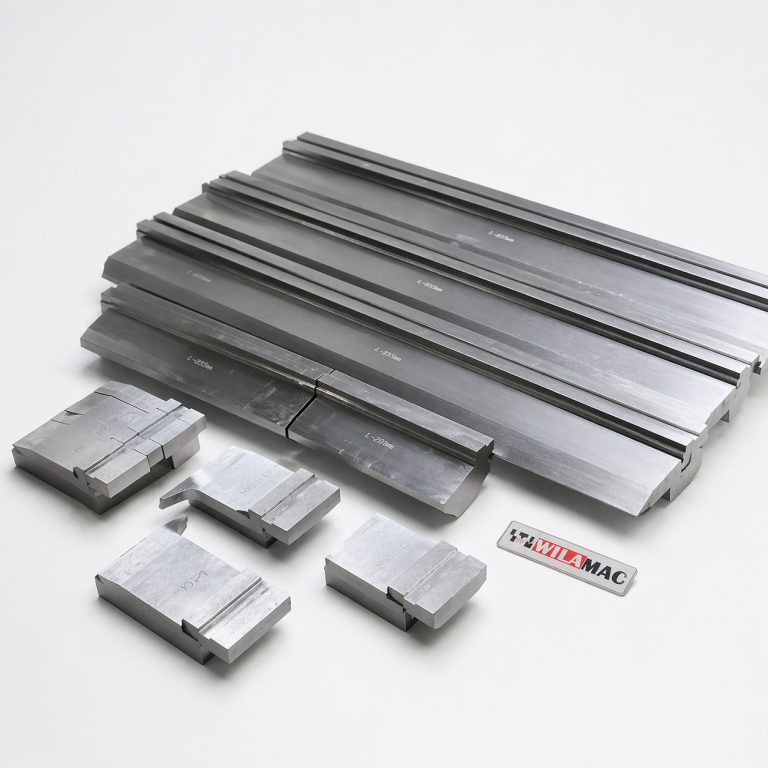
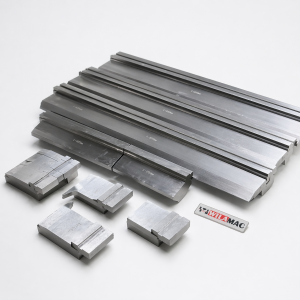
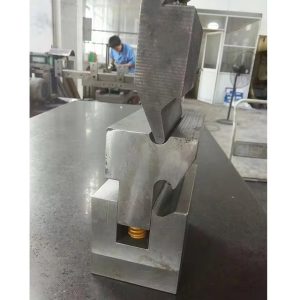
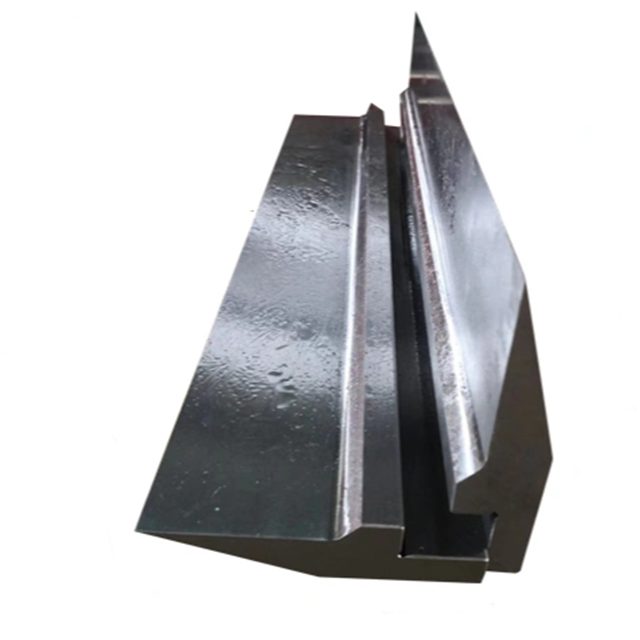
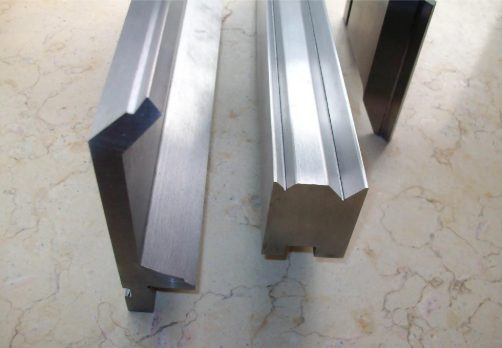
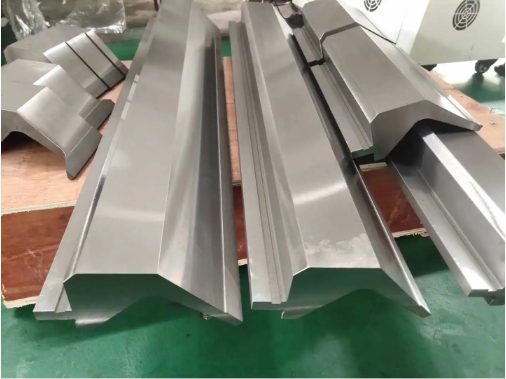
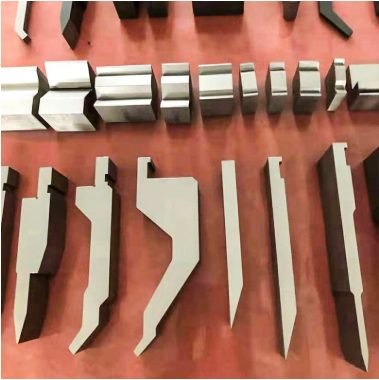
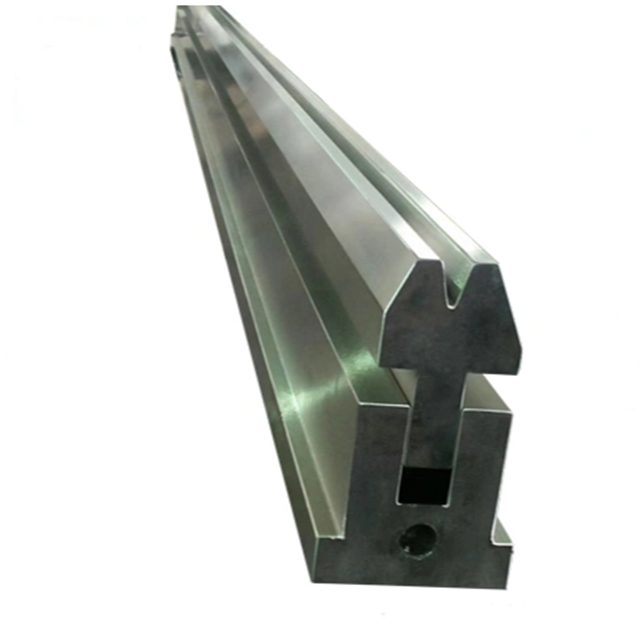
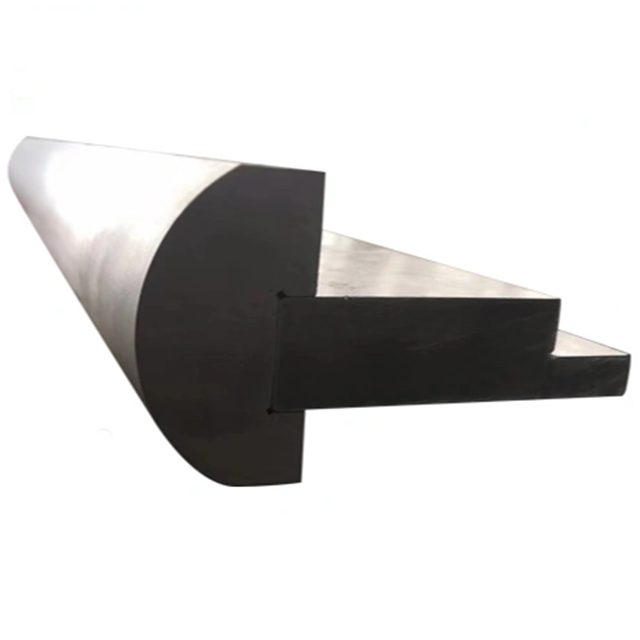
These are segmented press brake dies and V-angle punches in 42CrMo alloy steel with a mirror-polished working face. Segmented tooling is supplied in standard sections rather than as one long bar: you build the exact bend length you need from stock pieces, and when a section is worn or damaged you replace that section instead of the whole tool. That is the practical advantage, and it is why segmented tooling dominates general fabrication work. The mirror-polished face matters as much as the material grade. A polished die reduces friction between the sheet and the die shoulder, which keeps the bend angle consistent along the part and cuts down on scoring and galling on stainless and coated sheet. Tell us the tooling standard you use, the V opening and the section lengths you work to, and we will confirm the profile and the section set before quoting.
| Product Type | Press brake segmented dies and punch tooling |
|---|---|
| Tooling Type | Segmented / sectional V dies and V-angle punches |
| Material | 42CrMo alloy steel |
| Surface Treatment | Mirror polish |
| Shaping Method | Forging mould |
| Model | Customized to drawing or sample |
| Suitable For | Sheet metal bending on CNC press brakes |
| Place of Origin | China |
| Brand | WILAMAC |
| Minimum Order Quantity | 1 |
Why Segmented Tooling Rather Than a Single Bar
A one-piece die has one length. If your work moves between short brackets and a two-metre panel, you either buy several dies or accept setup compromises — and when one section wears, the whole tool leaves the machine.
Segmented tooling solves this at the tooling level rather than the machine level. Standard sections are assembled to the bend length you need, and a worn or chipped section is replaced on its own. For shops running mixed work, that is the difference between one tooling set and five.
The material matters too. 42CrMo is a chromium-molybdenum alloy steel chosen for press brake tooling because it holds hardness under repeated impact and resists deformation at the working edge. The mirror-polished working face reduces friction between the sheet and the die shoulder — which is what keeps bend angles consistent along a long part and prevents the scoring that shows up quickly on stainless and pre-coated sheet.
Specifying Press Brake Tooling
Tooling has to match the machine as well as the job. The connection between the punch and the upper beam is not universal, and neither is the die location. Getting that wrong means the tooling cannot be clamped, regardless of the profile.
What to send us:
- Press brake make and the tooling standard it takes (the way the punch locates in the beam)
- Sheet thickness range and material grade, so the V opening can be set correctly
- Inside radius required — this follows from the V opening and the material
- Section lengths you want to build your bend lengths from
- Any special profiles, such as gooseneck punches for return flanges or box sections
- A drawing or a sample of the tooling you use now, if you have one
Send us those and we will confirm the profile, the material and the section set before quoting.
Related Products