
Press Brake Hemming Die — 42CrMo Mirror Polished Matched Set
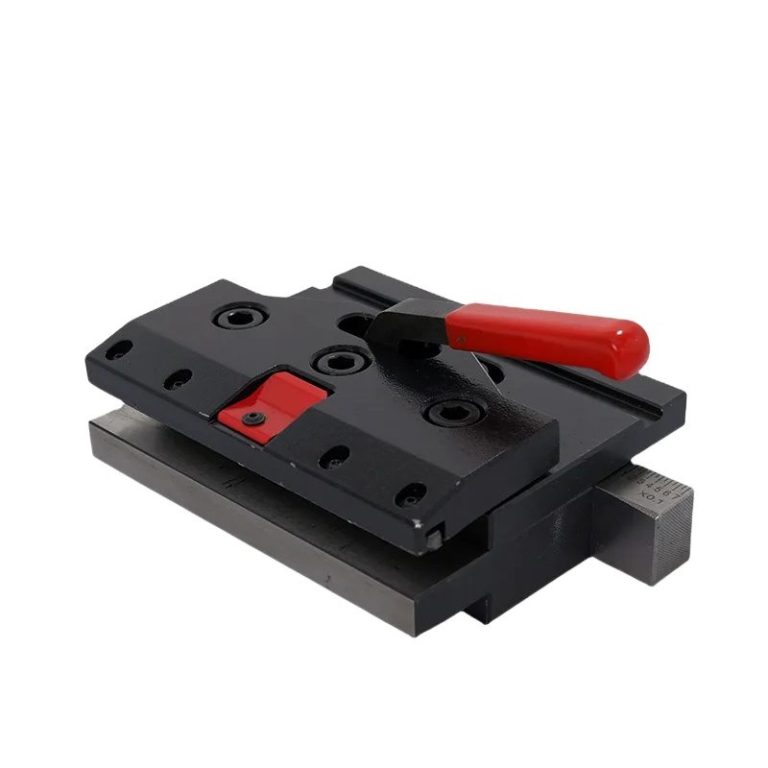
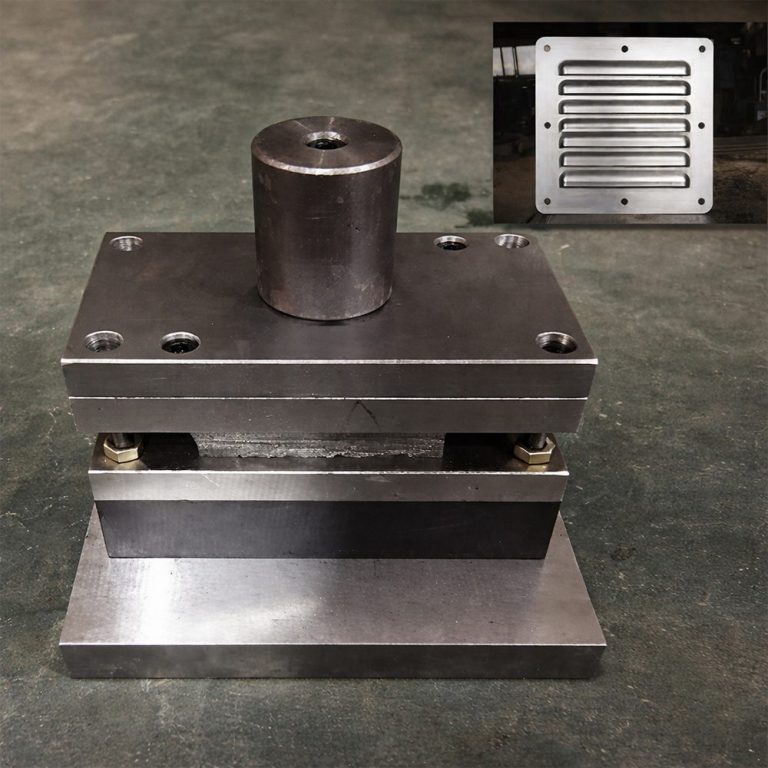
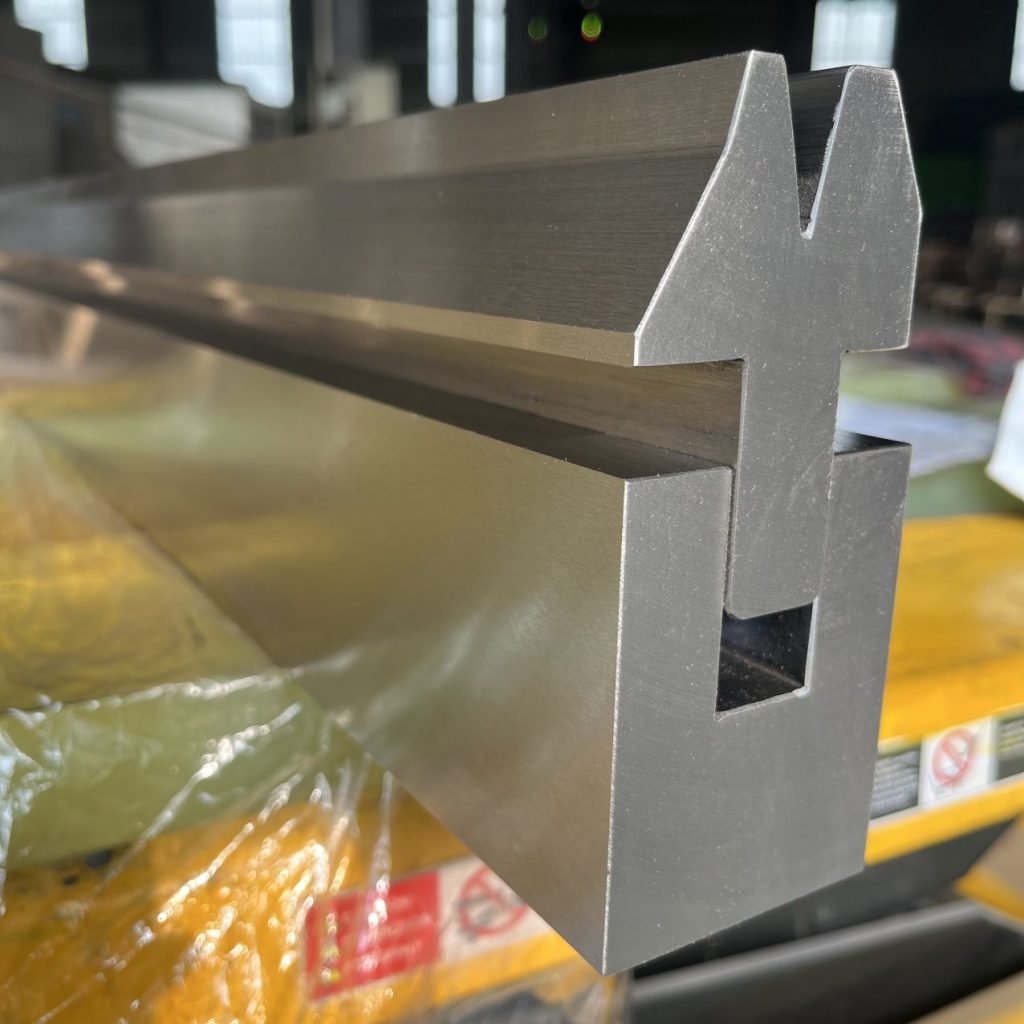
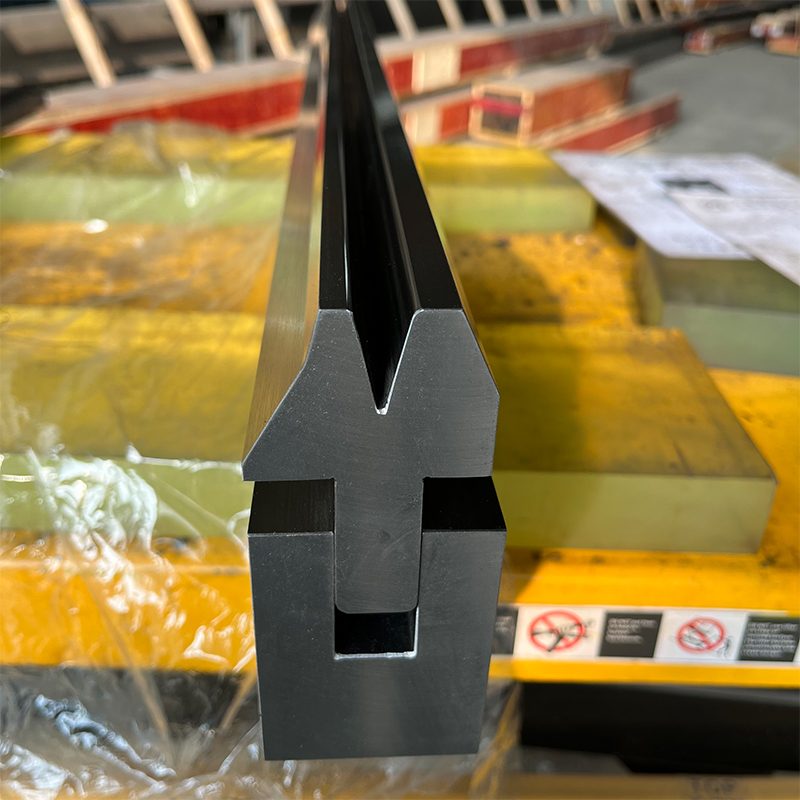
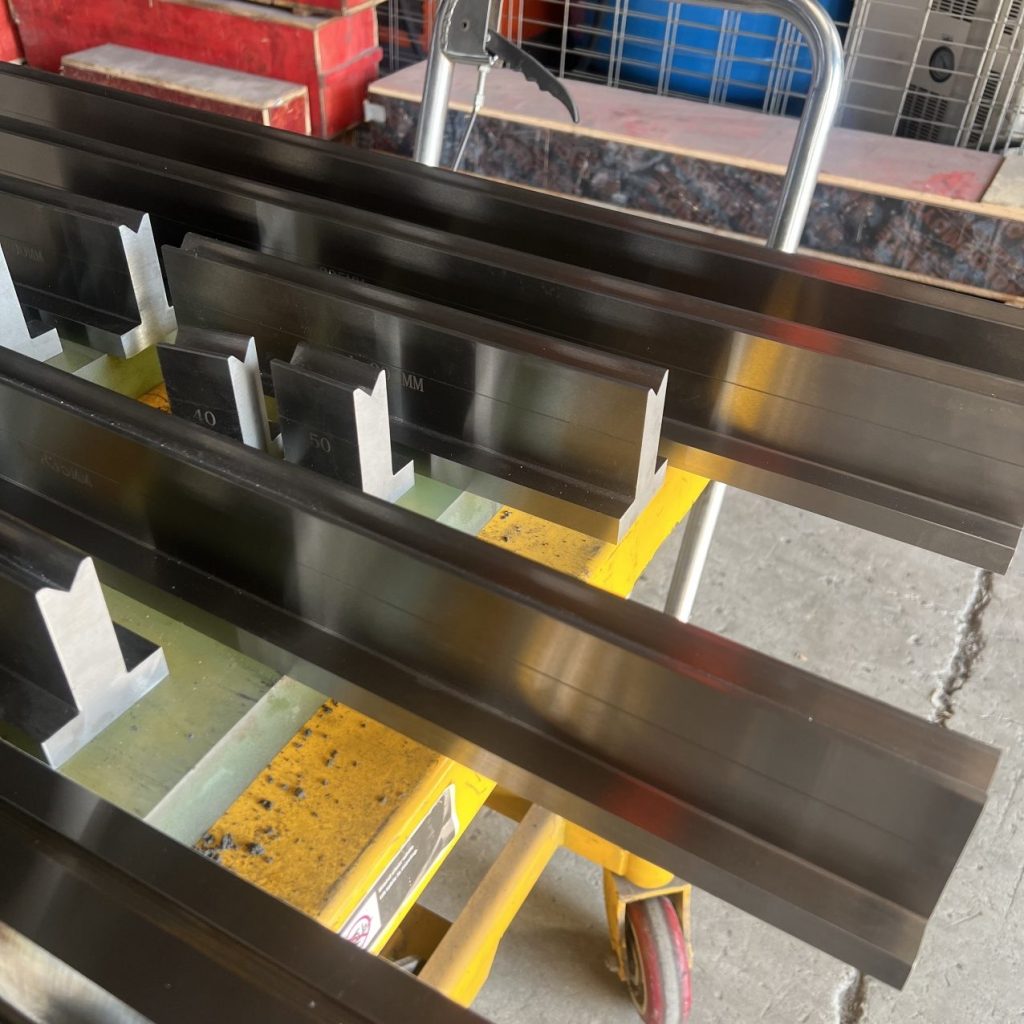
Press brake hemming die for closing a flat hem on sheet metal edges, machined from 42CrMo with a mirror-polished working face and supplied as a matched punch and die set. Folds the flange over and closes it back on itself, so the edge becomes a smooth doubled-over lip with no exposed cut edge — the finish used on doors, panels and enclosures where the edge is visible. Built to your material thickness, hem width and tooling system. Send us the finished edge drawing and we will confirm the radius and the pre-bend allowance before manufacture.
| Product Type | Industrial tooling and die |
|---|---|
| Tool | Press brake hemming die |
| Material | 42CrMo |
| Product Material | Alloy |
| Surface Treatment | Mirror Polish |
| Model Number | Customized — made to drawing |
| Place of Origin | China |
| Brand | WILAMAC |
| Minimum Order Quantity | 1 set |
What a Press Brake Hemming Die Does
A hemming die closes a flat hem on the edge of a sheet metal part. The press brake folds the flange over and then, in a second hit, flattens that fold back on itself so the edge becomes a smooth, doubled-over lip instead of a sharp exposed edge.
That lip is what makes a hem worth the extra tooling: it removes the burr and the cut edge from anything a hand or a cable will touch, it stiffens the flange, and it hides the joint on doors, panels, enclosures and automotive parts where the edge is visible.
Hemming is done as a matched punch and die set, and the tool has to be right for the material. A hem on thin gauge closes almost flat; the same geometry on thicker sheet will crack along the fold unless the die leaves the right inside radius and the hem is closed in the correct number of steps.
We machine the working faces from 42CrMo and mirror-polish them. The polished face matters on a hemming tool: it reduces friction on the sliding fold, which is where galling and pick-up start, and it lets you see wear before it reaches the material.
How to Specify a Press Brake Hemming Die
Send us the part, not just a description. A drawing of the finished edge, or a photo of the folded sample with a ruler in frame, tells us the hem width, the inside radius and how flat the hem has to close. From there we can work out the die geometry and the pre-bend allowance.
Tell us next: material grade and thickness, the working length you need, and the tooling system and clamping on your press brake. If the hem is cracking, opening up, or leaving marks on the visible face, tell us that too — it usually means the radius is too tight for the material, and the fix belongs in the tool rather than in more tonnage.
Leading dimensions to confirm before we cut steel:
- Hem width and how far the hem must close
- Material grade and thickness range
- Working length, and mounting system on your press brake
- Which face is visible, so the tool leaves no marking on it
- Whether a pre-bend step is needed before closing
Send us your requirements and we will come back with a drawing and a quotation.