
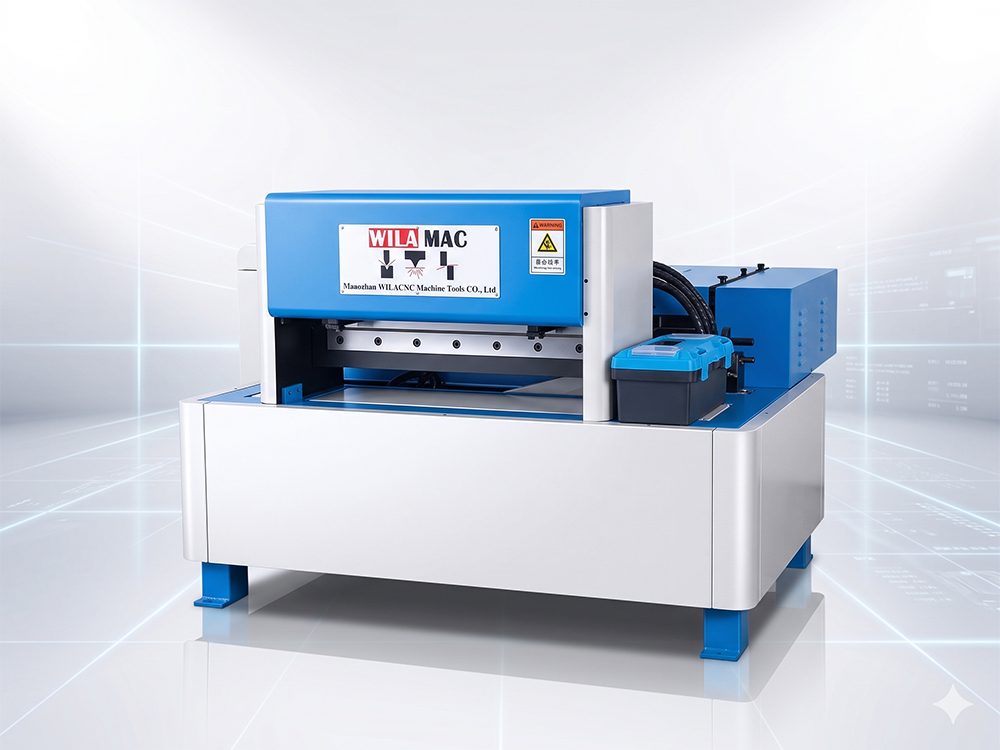
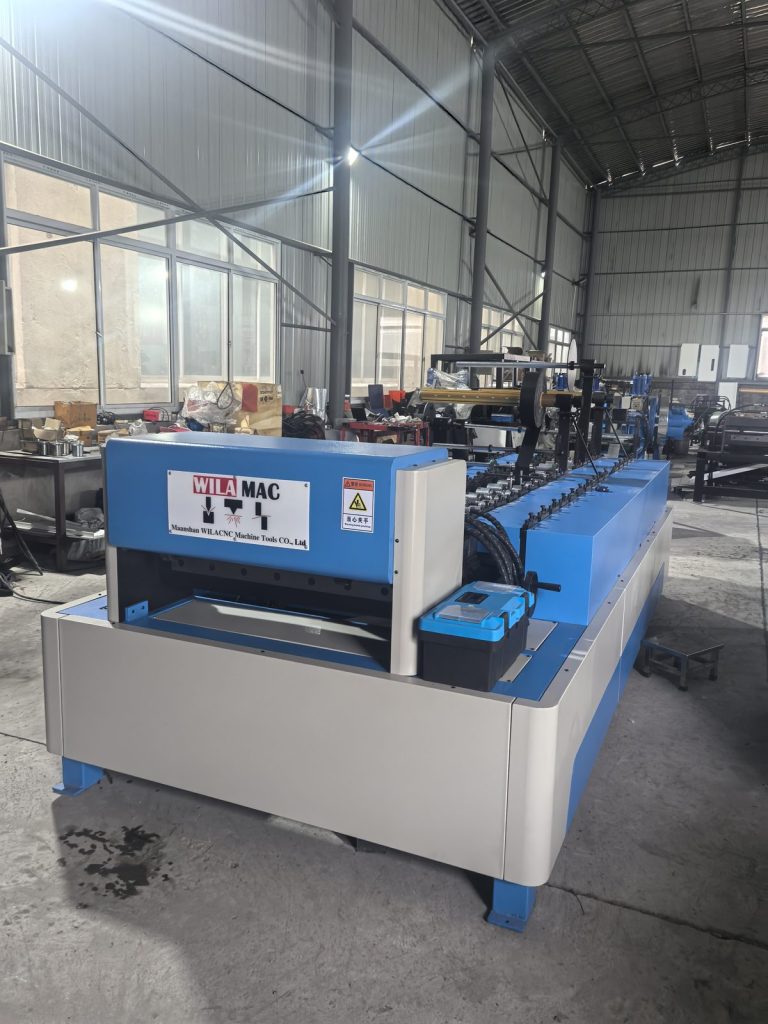
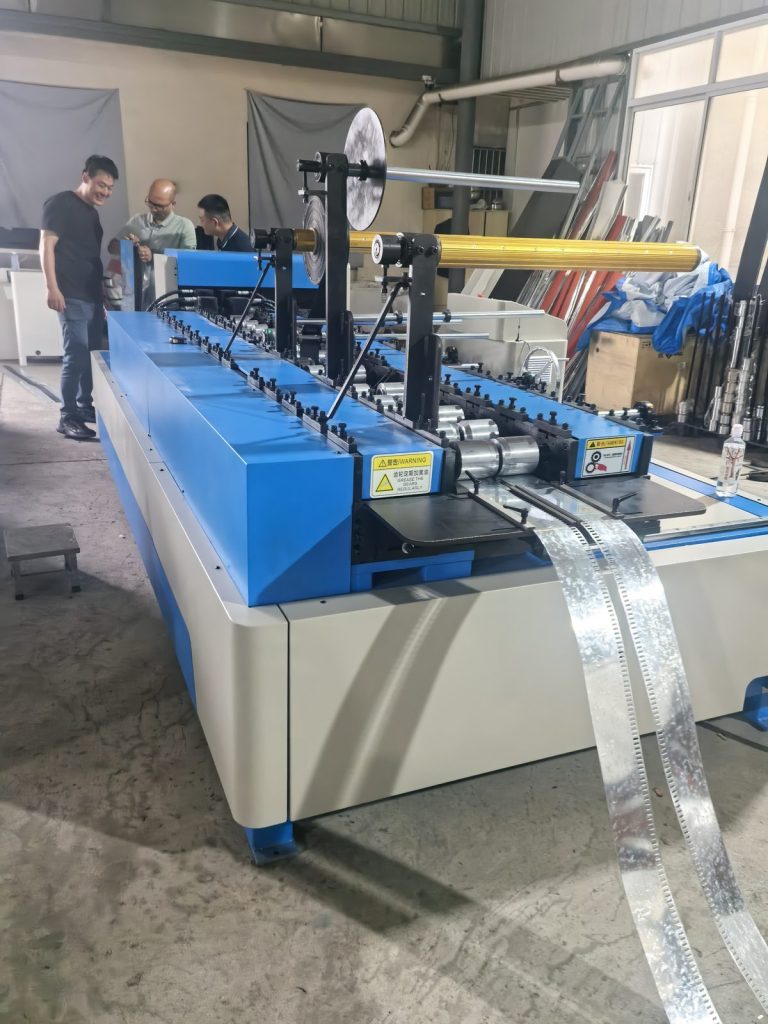
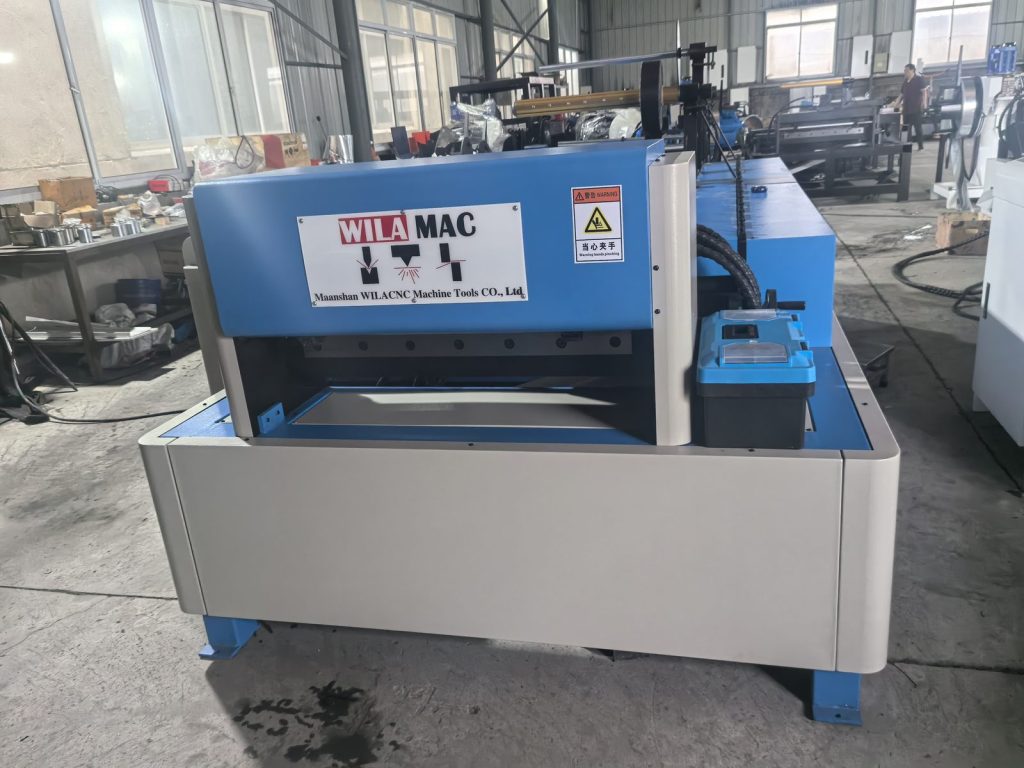
Automatic HVAC Flexible Duct Connector Production Line
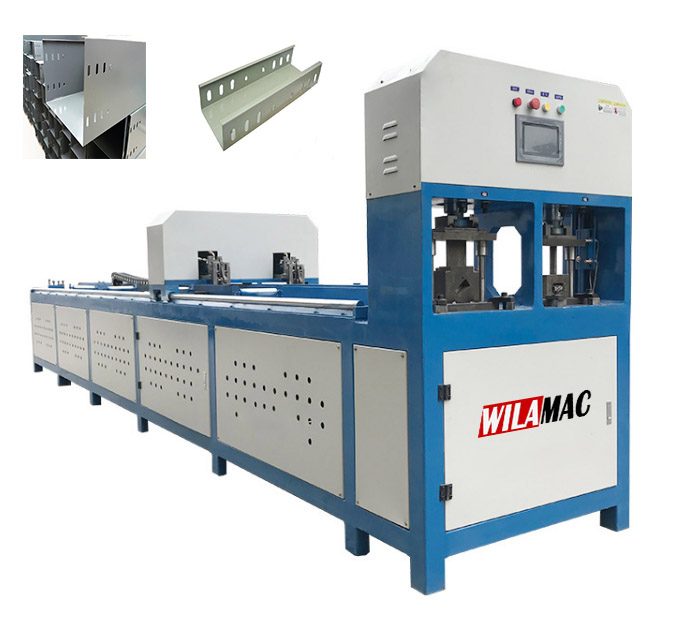
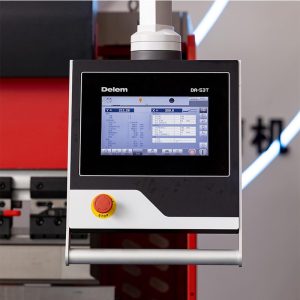
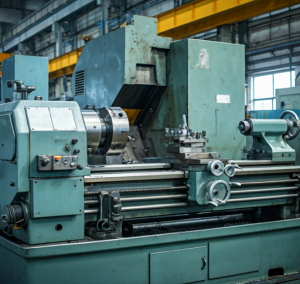
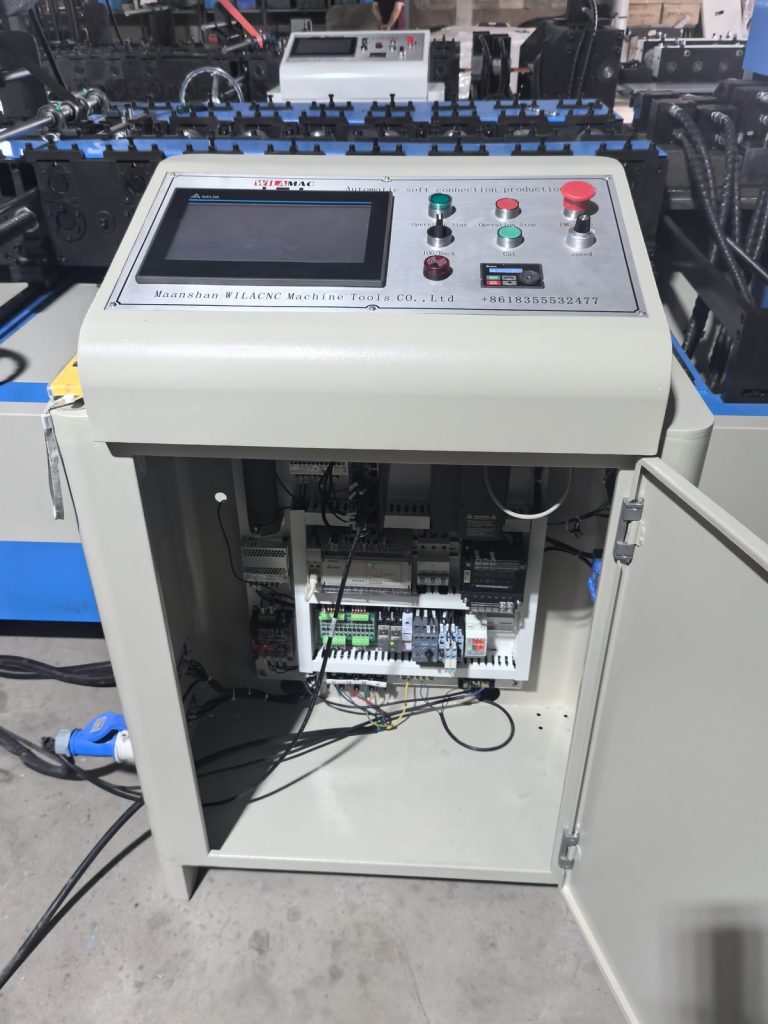
This line makes HVAC flexible duct connectors — the canvas and soft duct connectors used to join duct sections — in one continuous automatic cycle. It forms from coil, processes material from 0.4 to 1mm, and produces finished connectors from 120 to 750mm wide at up to 8 m/min, with burr-free cutting and weld quality held by the control rather than by an operator. The frame carries SKD11 tooling driven by servo motors on a Delta PLC with a touch-screen interface, so sizes are changed from the screen instead of by swapping formers. Output is consistent piece to piece, which matters most when the connectors feed a duct assembly line that runs to a tolerance. Tell us the connector sizes you produce, the material and the output you need per shift, and we will confirm the forming stations, the tooling and the control before quoting.
| Machine Type | Fully automatic HVAC flexible duct connector production line |
|---|---|
| Function | HVAC canvas / soft duct connector forming, cutting and welding |
| Finished Connector Width | 120–750 mm |
| Fabric Width | 80–630 mm |
| Processing Thickness | 0.4–1 mm |
| Line Speed | 0–8 m/min |
| Capacity | 8 m/min |
| Control System | Servo drive + PLC touch screen |
| Key Components | Servo motors, SKD11 mould, Delta PLC |
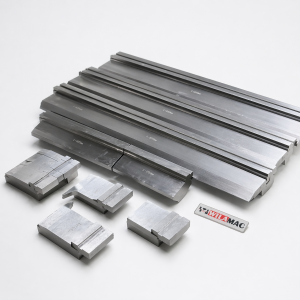
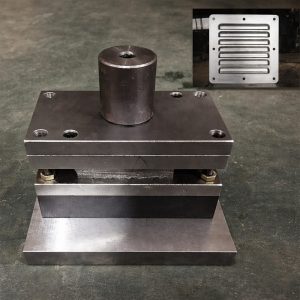
| Mould Material | SKD11 |
| Automation | Fully automatic |
| Features | Customizable sizes, burr-free cutting |
| Voltage | 380 V / 50 Hz |
| Place of Origin | China |
| Brand | WILAMAC |
| Minimum Order Quantity | 1 |
What the Line Does
A flexible duct connector is a short section that joins two runs of ducting — the canvas or soft connector that takes up movement, isolates vibration and lets a duct run be assembled without fighting alignment. In a duct shop they are made in quantity and to consistent dimensions, because every joint on a job needs one.
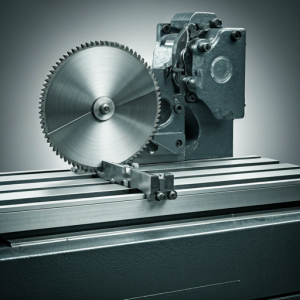
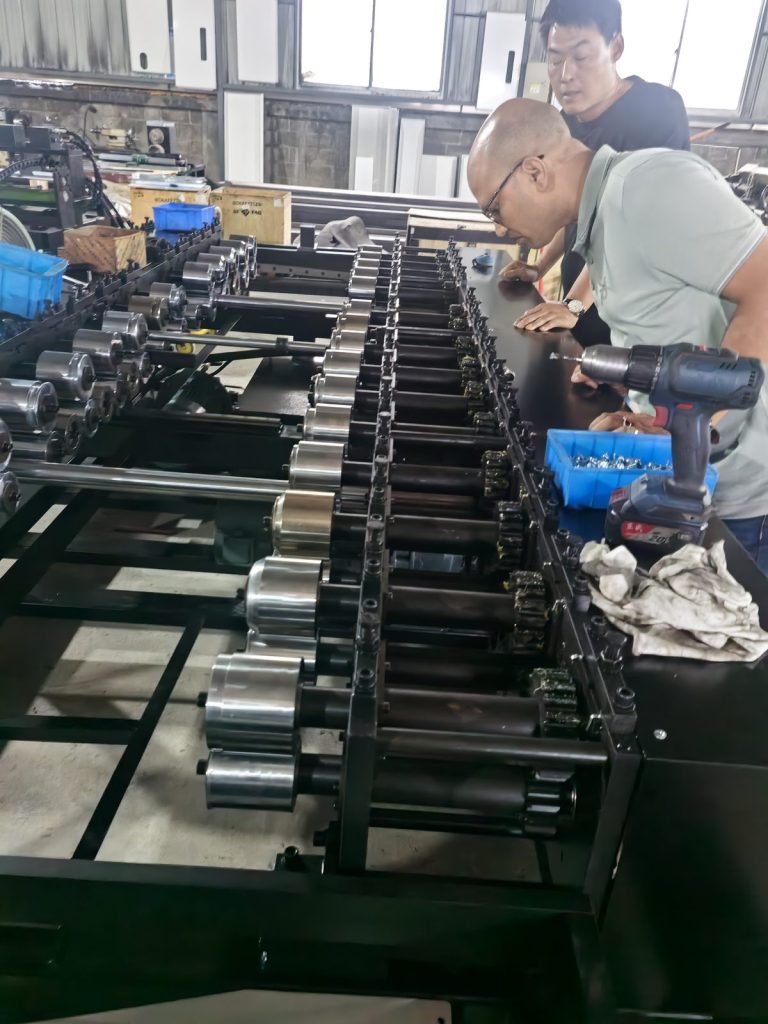
This line produces them in a single continuous cycle: material is formed from coil through a series of roll-forming stations, cut burr-free and welded inside the same machine, at up to 8 m/min. Processing thickness runs from 0.4 to 1mm and finished connectors come out between 120 and 750mm wide.
The value of automating this job is consistency rather than speed. A connector that is slightly off makes every joint on the job slightly off, and the error compounds along the run. Driving the stations from a servo and PLC means the dimension is set on a screen and repeated, not adjusted by hand from batch to batch.
Specifying a Duct Connector Line
The line is sized from the connector, not from the duct. Connector width and material thickness set the forming stations and the tooling; output requirement per shift sets the line speed you need and whether one line is enough.
What to send us:
- Connector sizes you produce, in range and the most common one
- Material grade and thickness, and whether you use canvas, coated fabric or both
- Output per shift, and how much is for your own assembly versus resale
- Whether sizes change between batches, which decides how much tool-change convenience matters
- Voltage and phase at your site, and the floor length you can give the line
Send us those and we will confirm the forming stations, the tooling and the control configuration before quoting.
Related Products