
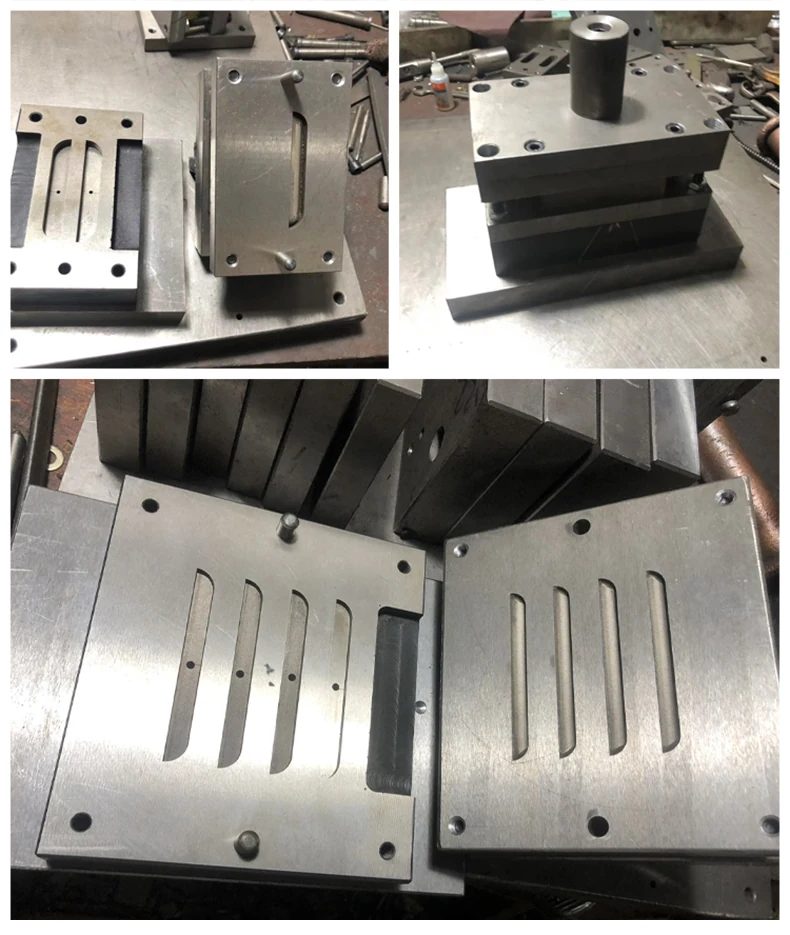
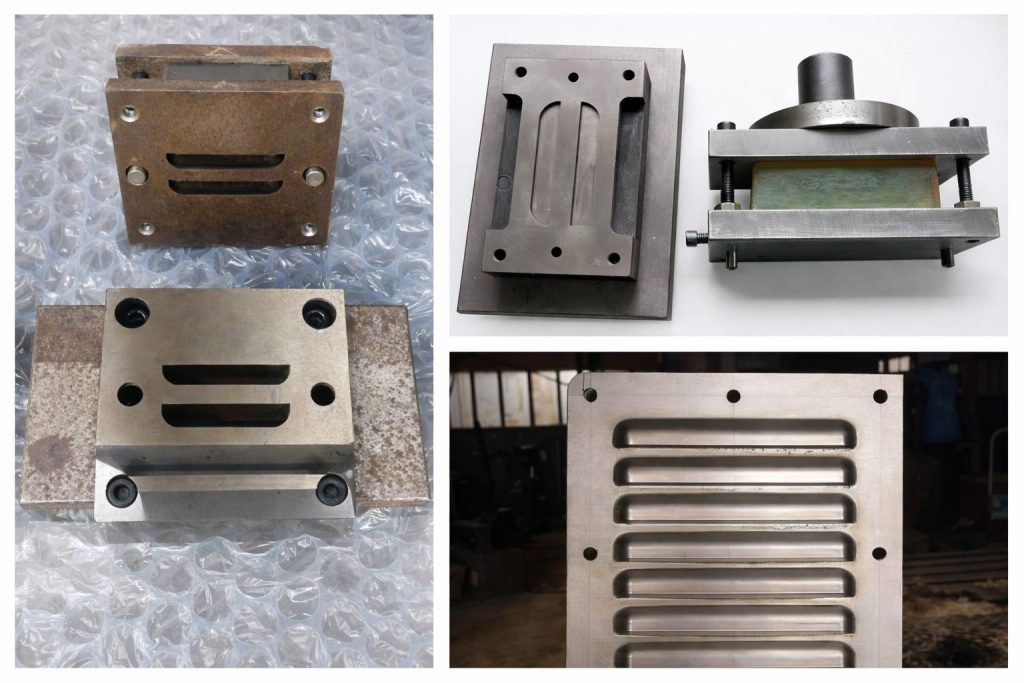
Custom Louver Punch Die for Press Brake — 42CrMo Matched Punch & Die Set
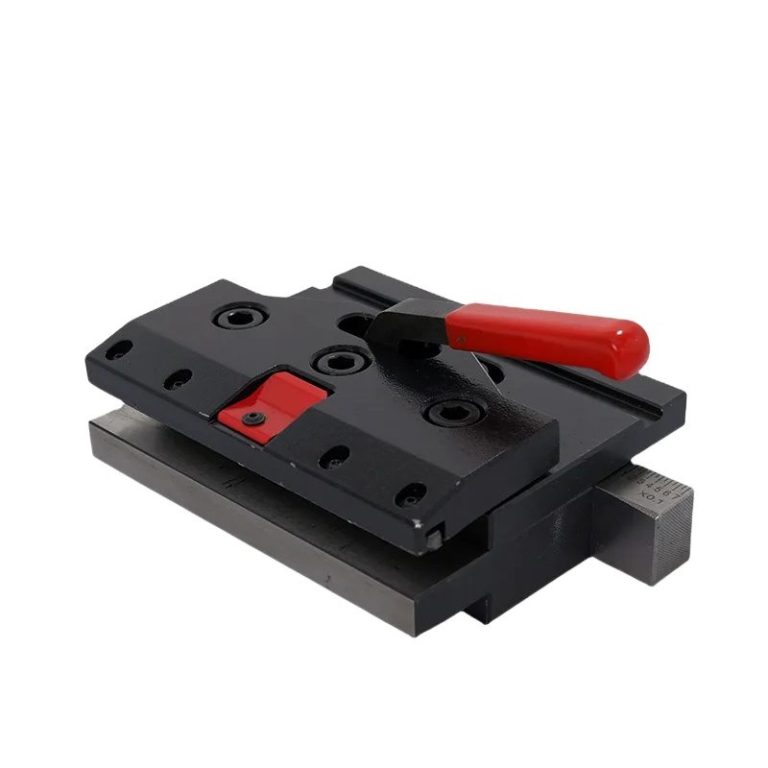
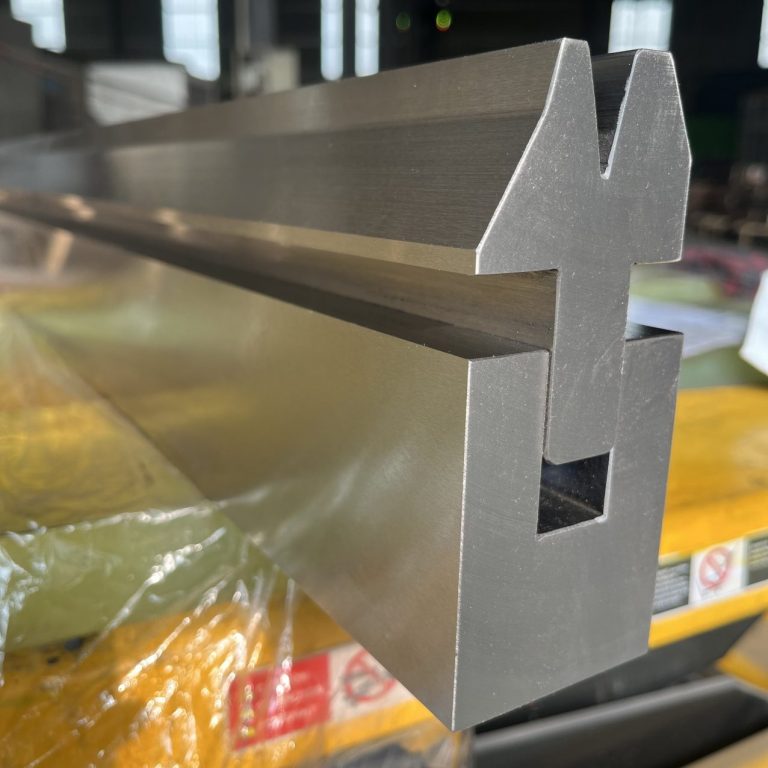
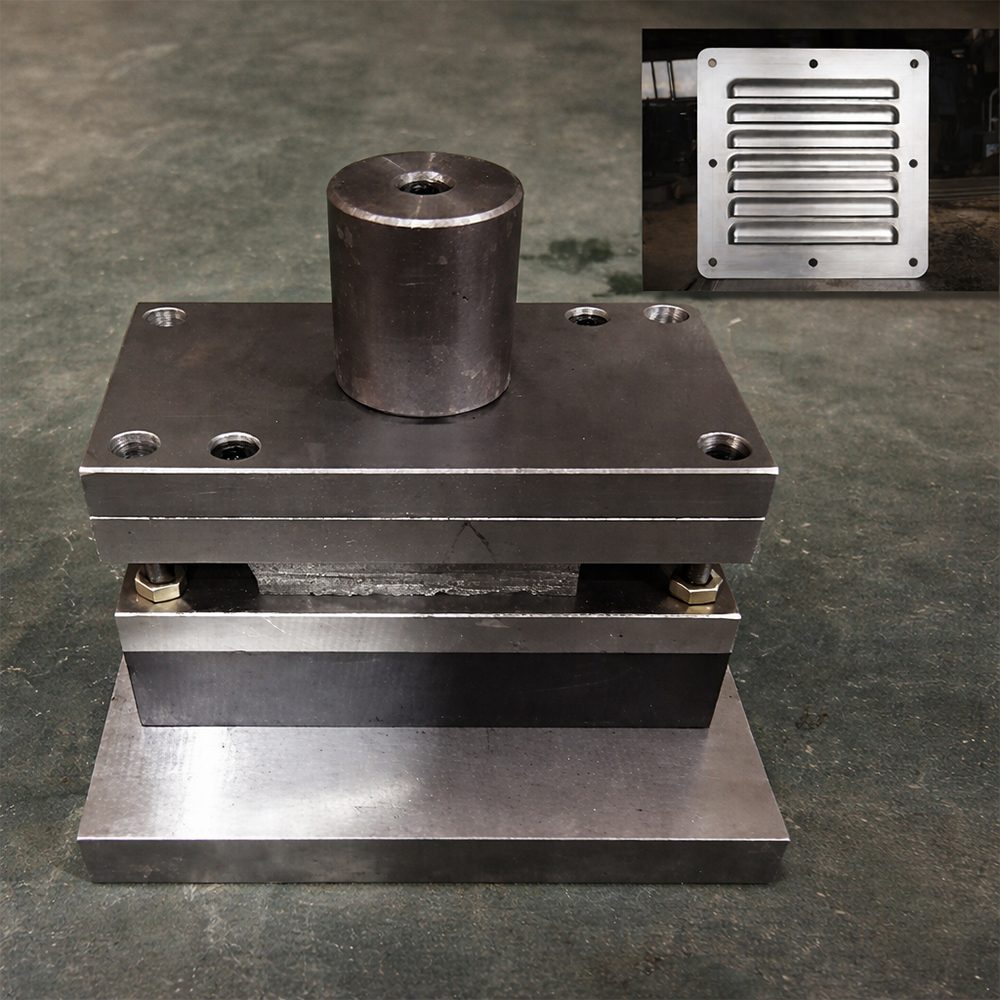
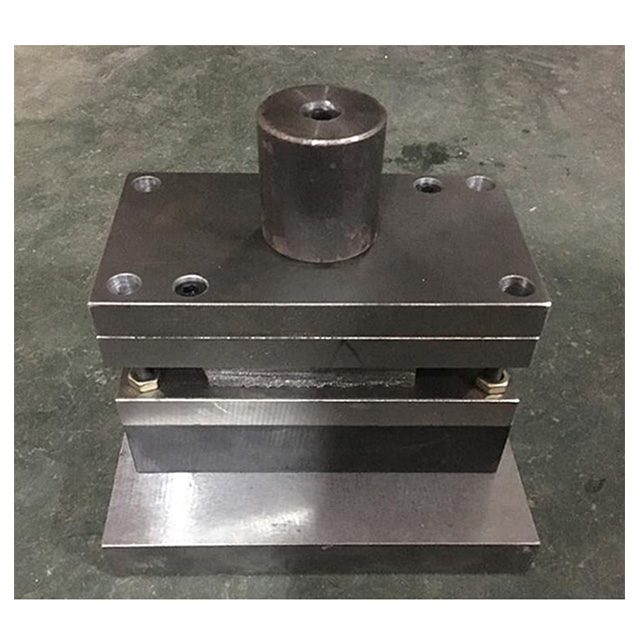
Louver punch die for press brake, machined from 42CrMo steel as a matched punch and die set. Forms louvre and ventilation slots with a retained lip instead of a fully cut opening, so air passes through while the panel keeps its weather protection. Built to fit your press brake tooling system — Amada-type mounting is our standard, and other systems are made to order. Send us the finished part drawing and we will confirm slot geometry and clearance before manufacture.
| Product Type | Louver Punch Die |
|---|---|
| Tool Category | Punching Mold |
| Mould Material | 42CrMo |
| Product Material | Steel |
| Application | Metal Sheet Stamping |
| Tooling System | Amada Type Louver Tooling |
| Brand | WILAMAC |
| Place of Origin | Anhui, China |
| Key Selling Point | High-Accuracy |
| Customisation | OEM / ODM supported |
How a Louver Punch Die Works on a Press Brake
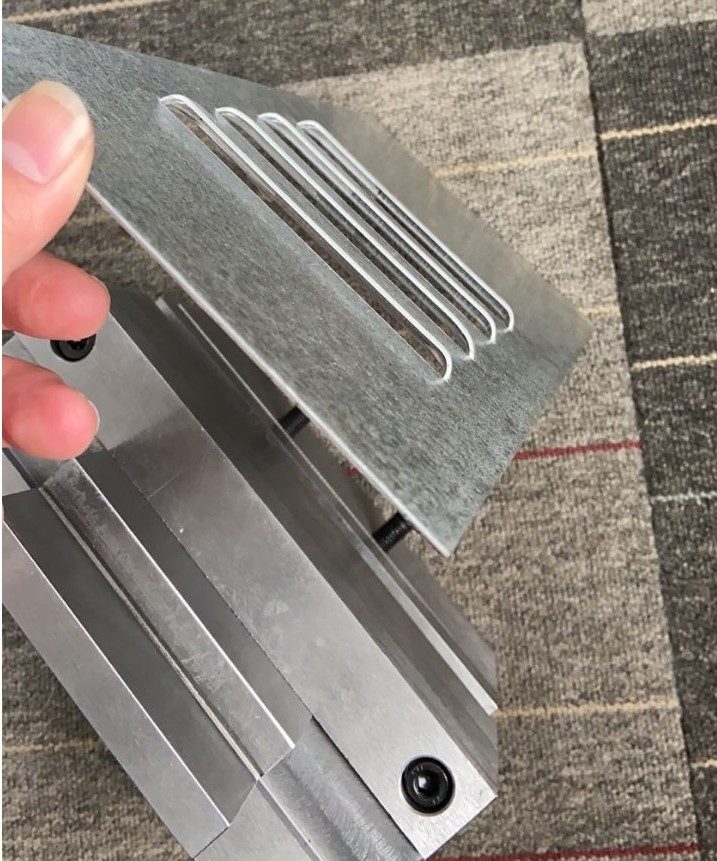
A louver punch die forms the angled slots you see on ventilation panels, electrical cabinet doors and HVAC grilles. Instead of cutting the slot out completely, the tool pushes the material down along one edge and leaves the other edge attached, so each opening ends up with a lip that keeps rain and debris out while air still passes through.
Because the punch and the die are a matched pair, the louver geometry — slot length, slot width, pitch and the angle of the lip — is built into the tool rather than dialled in on the machine. That is why a louver job is quoted as a tool, not as a machine setting.
We machine the working faces from 42CrMo steel. It is the grade we use across our press brake tooling because it holds hardness through repeated cycles without becoming brittle, which matters on a tool that may run the same slot thousands of times.
The die is made to fit the tooling system on your press brake. Our louver tooling is built to Amada-type mounting, and sets for other common systems are made to order — tell us your machine and your current tooling and we will confirm the interface before manufacture.
How to Specify a Louver Punch Die
Drawings first. The fastest way to an accurate quotation is to send us the finished part — a drawing, a PDF, or a clear photo of an existing louvered panel with a ruler in frame. From that we can read the slot length, slot width, pitch and how many slots run per panel.
Then tell us the material and thickness you are forming, the tooling system and clamping on your press brake, and the tool length you need. If the louver pattern is already running on your floor, tell us what is wrong with it — burrs on one edge, a lip that cracks, or slots that distort — and we will adjust the clearance and the die radius accordingly.
Leading dimensions to confirm before we cut steel:
- Slot length and slot width
- Pitch between slots, and slots per panel
- Material and thickness range
- Tool length and mounting system
- Direction of the lip, relative to the panel face
Send us your requirements and we will come back with a drawing and a quotation.