
Robotic Bending Cell for Automated Press Brake Bending
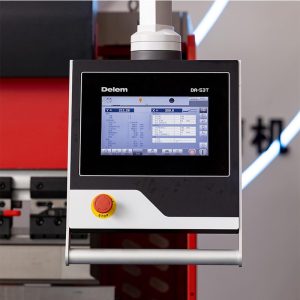
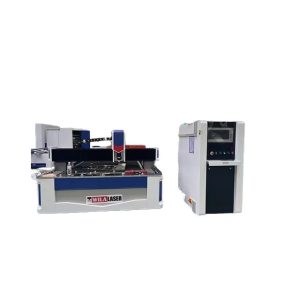
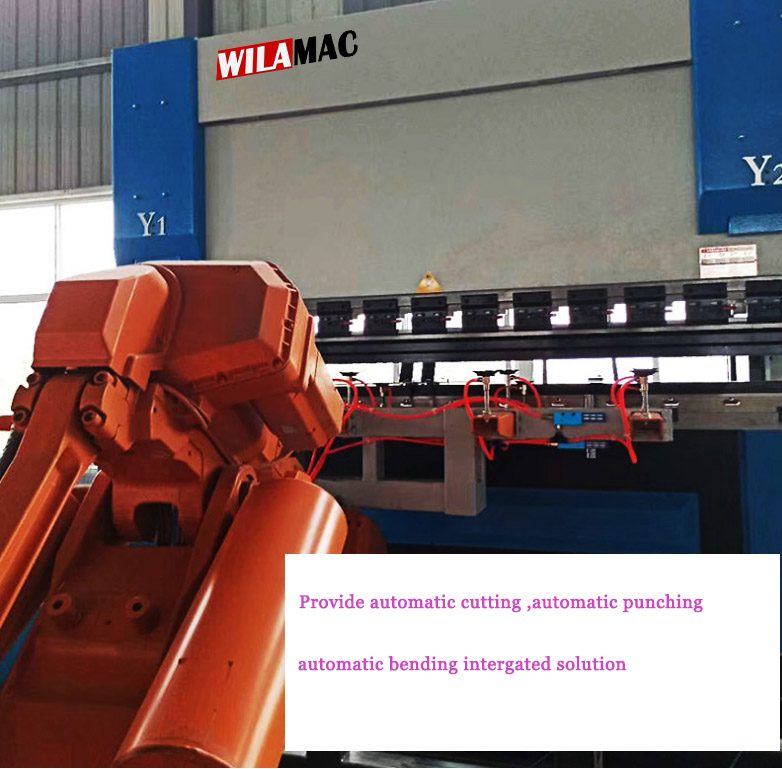
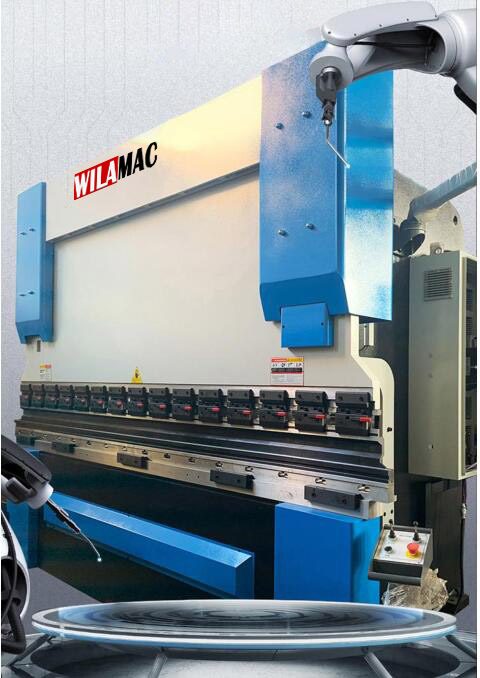
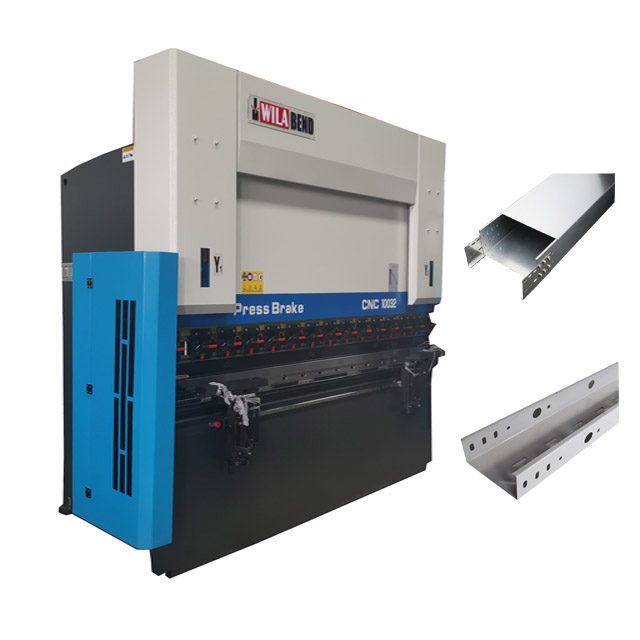
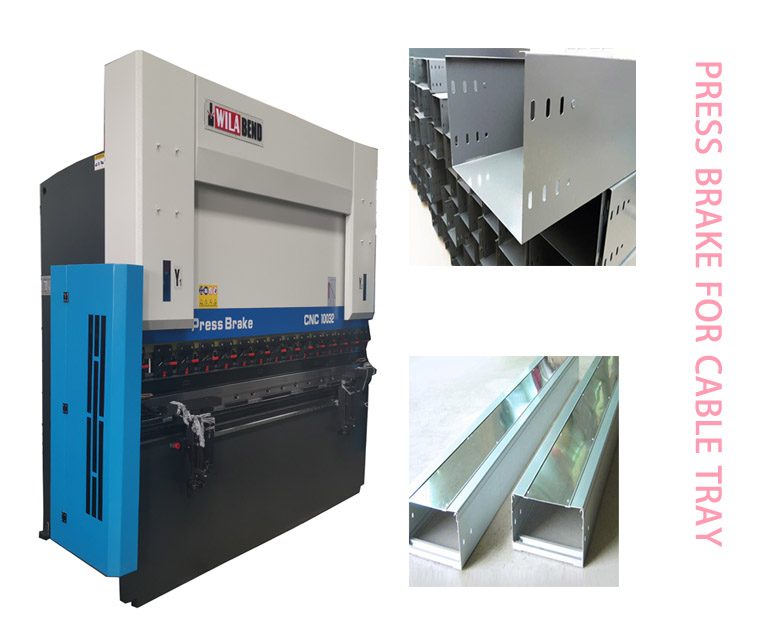
A robotic bending cell puts an industrial robot at the press brake so the machine bends while the robot handles the part. The press brake base is a synchronized hydraulic machine with a 3200mm working table, 200mm slider stroke and 400mm throat depth; the robot takes over loading, repositioning between bends and stacking, which is where the manual time in a bending job actually sits. It is supplied as part of an integrated solution covering automatic cutting, punching and bending, so a part can move from blank to finished form without being re-fixtured by hand between operations. The application it suits best is long-run work with a repeating bend sequence — cable tray, cable bridge and similar section profiles are the classic case. Tell us the part, the bend sequence and the batch size you run, and we will confirm the press brake, the robot and the gripper before quoting.
| Cell Type | Robotic bending cell (press brake with industrial robot) |
|---|---|
| Integration | Automatic cutting, punching and bending — integrated solution |
| Press Brake Base | Synchronized hydraulic press brake |
| Working Table Length | 3200 mm |
| Slider Stroke | 200 mm |
| Throat Depth | 400 mm |
| Cycle | Fully automatic |
| Materials | Carbon steel, stainless steel, aluminium |
| Part Handling | Industrial robot, loading, repositioning and stacking |
| Typical Application | Cable tray, cable bridge and long-run section profiles |
| Machinery Test Report | Provided |
| Video Outgoing-Inspection | Provided |
| Warranty | 2 years |
| Place of Origin | China |
| Brand | WILAMAC |
| Minimum Order Quantity | 1 |
Where the Time Actually Goes
A press brake is not slow at bending. It is slow at everything around the bend: picking up the blank, holding it against the backgauge, turning it over for the next flange, and stacking the finished part. On a two-bend job that handling is most of the cycle.
A robotic cell moves that handling to a robot. The operator sets the program and supervises instead of standing at the machine for every part, and because the robot positions every blank the same way, the bend sequence repeats without the drift that appears when a person is feeding the machine for eight hours.
The case that pays back fastest is long-run work with a repeating sequence — cable tray and cable bridge profiles, bracket families, parts where the same three or four bends repeat thousands of times. Where it does not pay back is high-mix, low-volume work, because the setup and programming time per part outweighs the handling you save.
What Decides a Bending Cell
A bending cell is specified from the part and the batch size, not from a catalogue. The part fixes the press brake and the tooling; the batch size decides whether a robot earns its place; and the bend sequence decides the gripper and whether the robot can hold the part through every bend or has to hand it back.
What to send us:
- The part drawing, with every bend and the bend sequence
- Material, thickness and blank size
- Batch size and how often the part repeats — the number that decides payback
- Whether the robot must hold the part through all bends, or can release and re-grip
- Whether cutting and punching have to be inside the same cell or can stay separate
- Voltage, phase and the floor area you can give the cell, including robot guarding
Send us those and we will confirm the press brake, the robot, the gripper and the guarding before quoting.
