
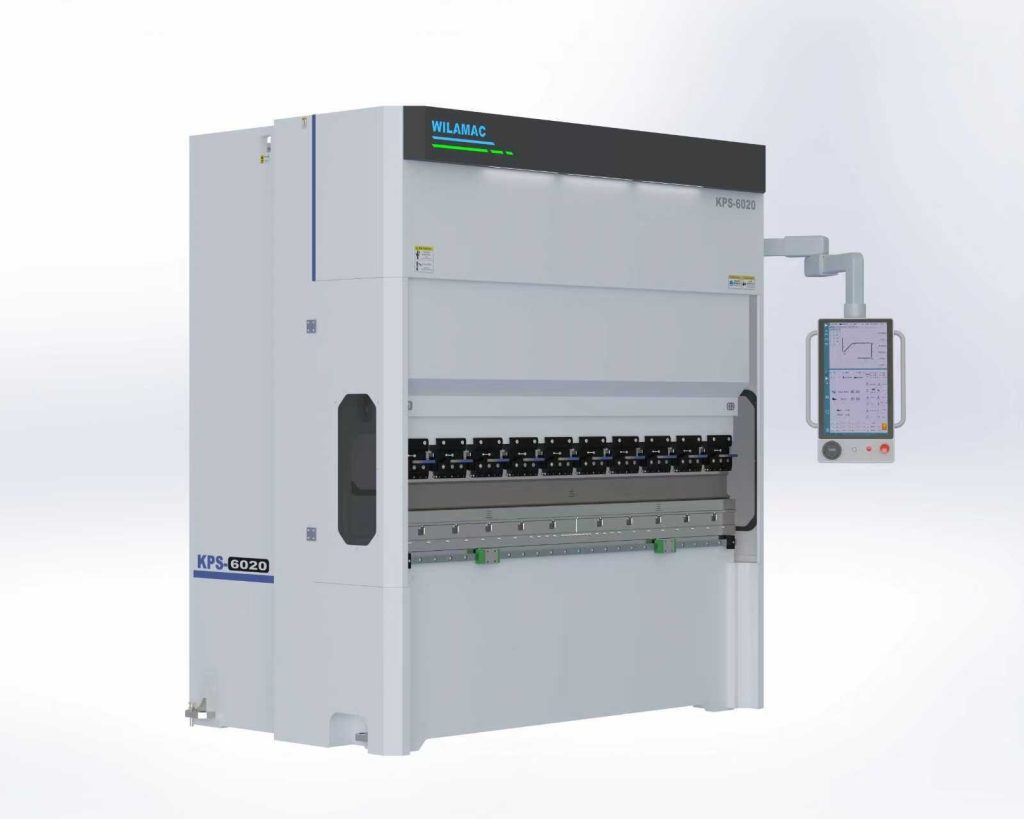
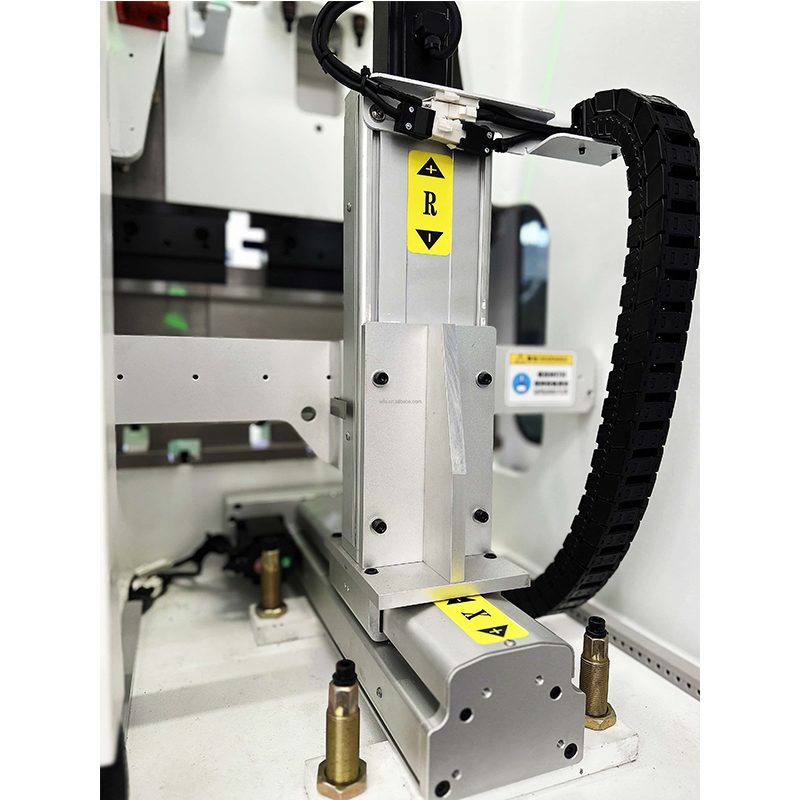
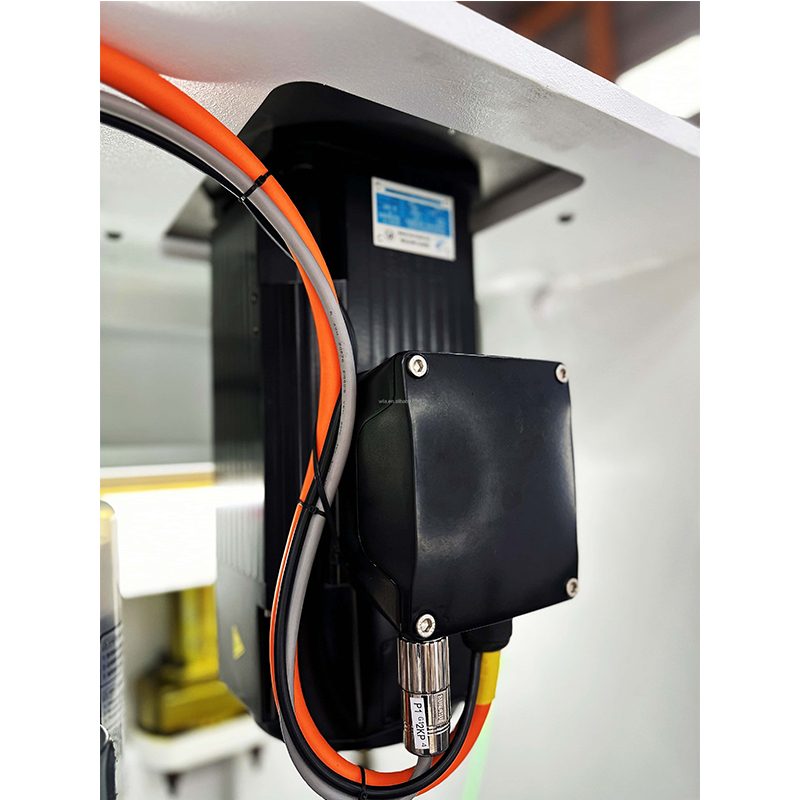
KPS-6020 — 60T 2000mm CNC Press Brake
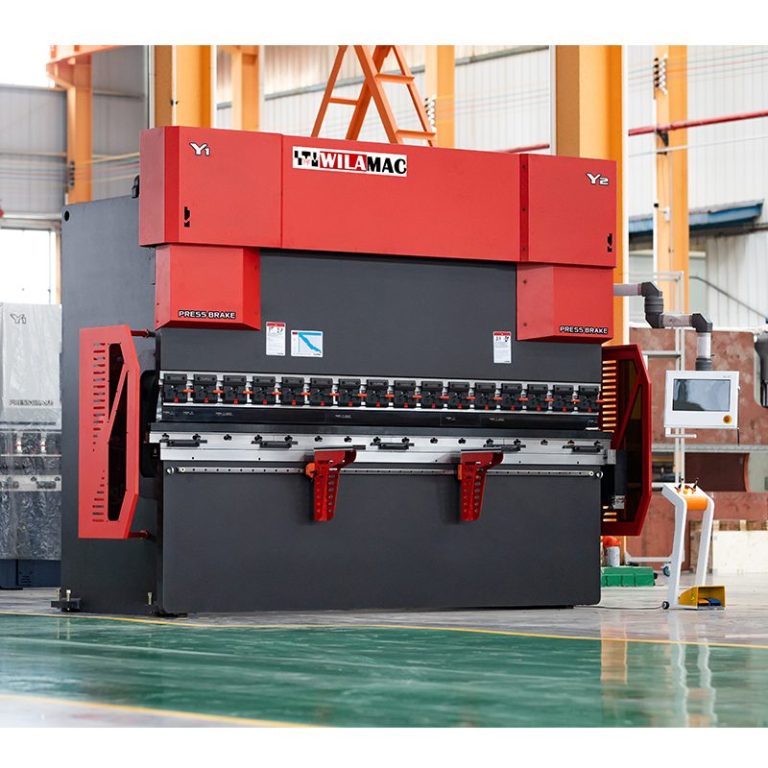
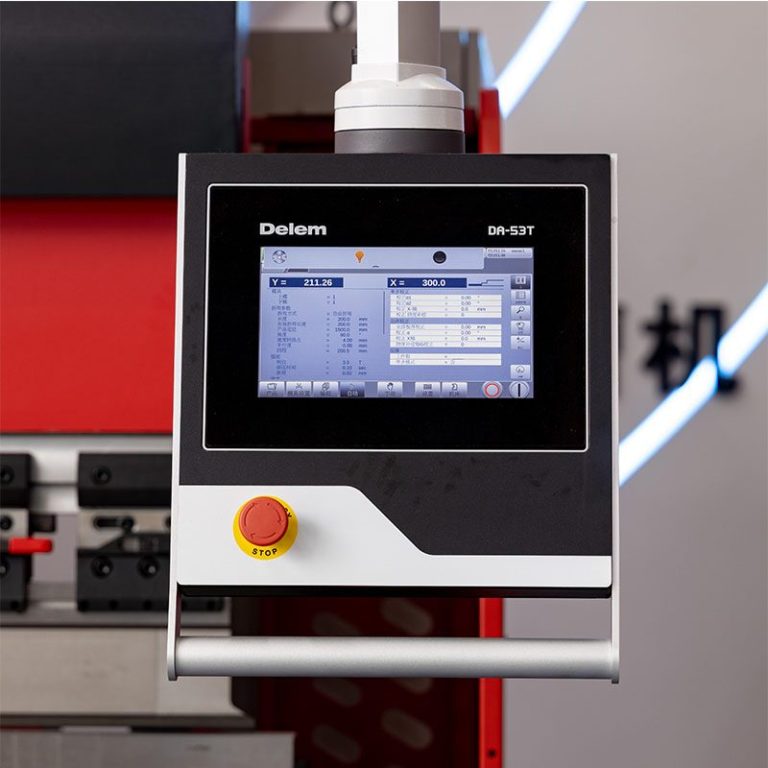
The KPS-6020 is a compact CNC press brake: 600kN of bending force on a 2000mm working table, with a 230mm slider stroke and 280mm throat depth on a synchronized frame. It is built for the jobs that do not need a 3200mm bed — brackets, enclosures, box sections, small fabricated parts — where a full-size machine wastes floor space and cycle time. The smaller frame also means faster ram travel and a shorter setup for short-run work. The control runs a fully automatic cycle, so the bend sequence comes off the program rather than from an operator counting strokes. Tell us the material grade, the thickness range and the longest part you form, and we will confirm the tonnage, the tooling and the control configuration before quoting.
| Machine Type | Synchronized CNC press brake |
|---|---|
| Model | KPS-6020 |
| Nominal Capacity | 600 kN (60 T) |
| Working Table Length | 2000 mm |
| Working Table Width | 1460 mm |
| Slider Stroke | 230 mm |
| Throat Depth | 280 mm |
| Cycle | Fully automatic |
| Materials | Carbon steel, stainless steel, alloy |
| Machinery Test Report | Provided |
| Video Outgoing-Inspection | Provided |
| After-sales Service | Engineers available to service machinery overseas |
| Place of Origin | China |
| Brand | WILAMAC |
| Minimum Order Quantity | 1 |
Where a 60T / 2000mm Machine Fits
Most press brake buying conversations start from the biggest part the shop will ever run, and that drives everyone toward a long bed and high tonnage. The result is a machine that is oversized for the work that actually pays the bills.
A 60-tonne machine on a 2000mm bed covers a large share of real sheet metal fabrication: brackets, electrical enclosures, box sections, cabinet parts, small frames. If your parts are under two metres and under a few millimetres thick in mild steel, a machine in this class gives you the same bend quality as a bigger machine and a shorter, faster cycle because there is less mass to move.
Two things change when you go smaller, and both should be checked before you buy. First, the tonnage you need per metre of bend — that is set by material and thickness, not by part length, so a short high-tensile part can need more force than a long mild steel one. Second, the throat depth and open height, which decide whether a deep box section can be formed at all.
Specifying a Compact CNC Press Brake
Send us the part, not the specification. We would rather size the machine from your drawing than from a tonnage figure, because the drawing tells us the bend length, the material grade, the inside radius and whether a deep section has to clear the throat.
What to send us:
- Longest bend length and the thickest material you form
- Material grade — mild steel, stainless or high-tensile behave differently at the same thickness
- Bend profile, inside radius and any box or U sections that must clear the tooling
- How many different bends per part, and whether the backgauge has to move between them
- Whether you need a specific controller or a particular tooling standard
- Voltage and phase at your site
Send us those and we will confirm the tonnage, the bed length, the tooling and the control before quoting.
Related Products