
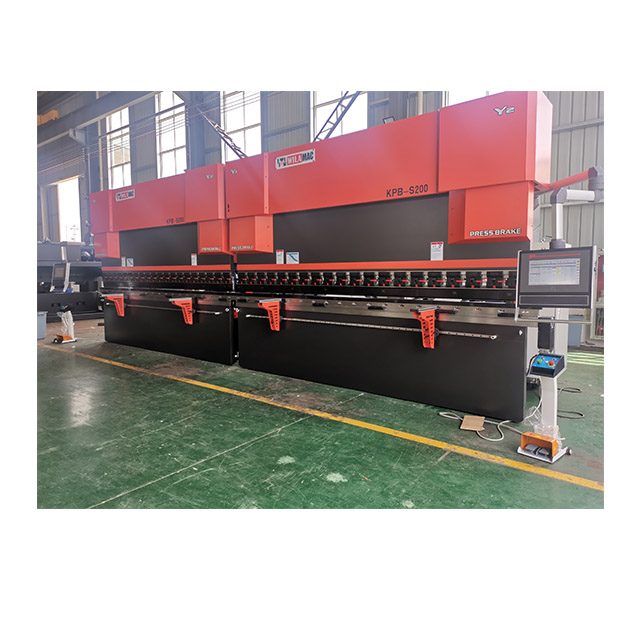
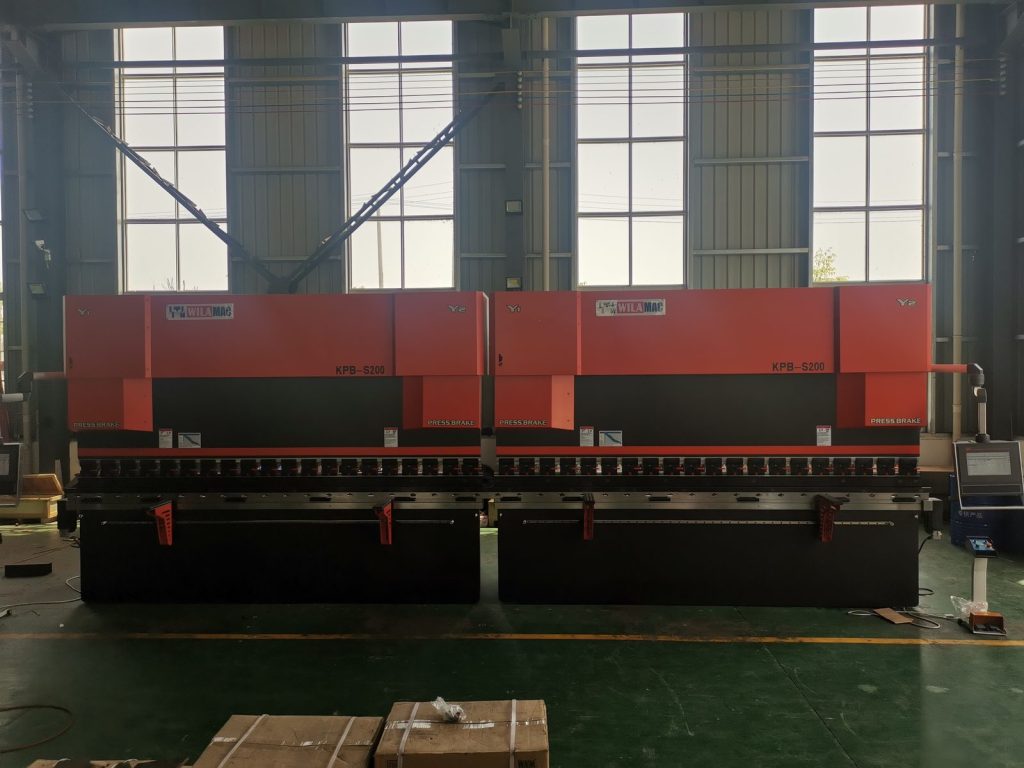
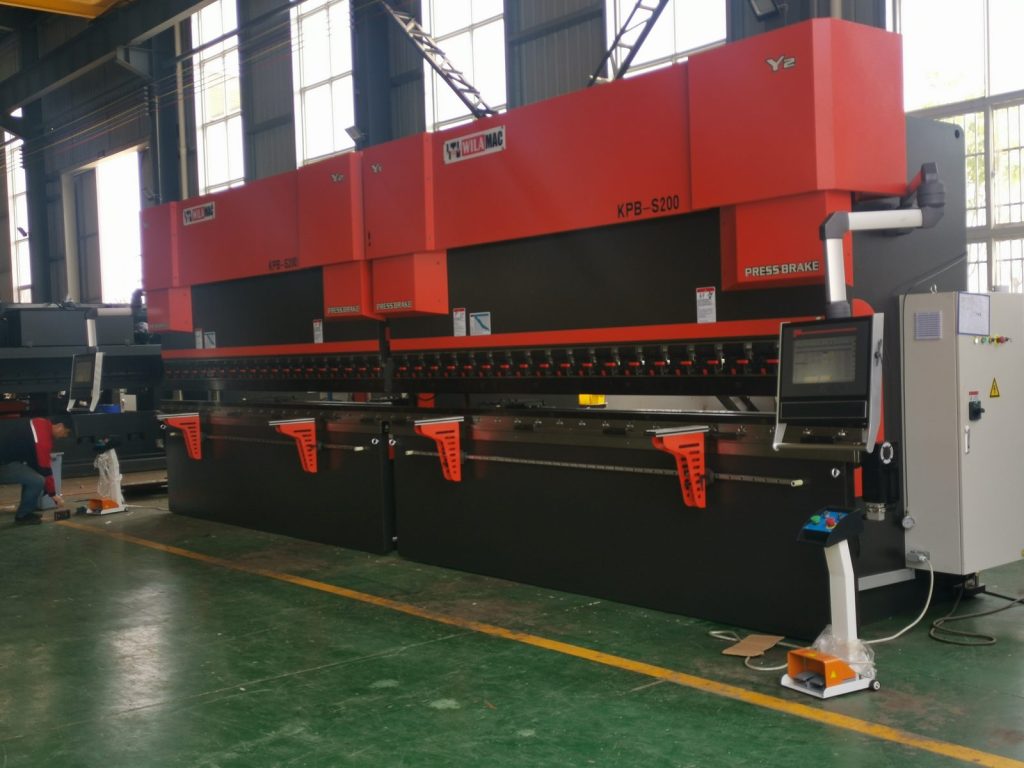
2 × 200T Tandem Press Brake — Synchronized, 6 Axis, DELEM Control
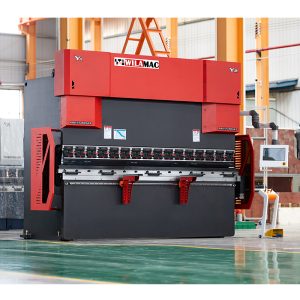
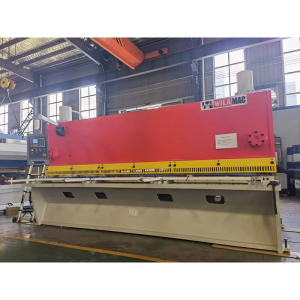
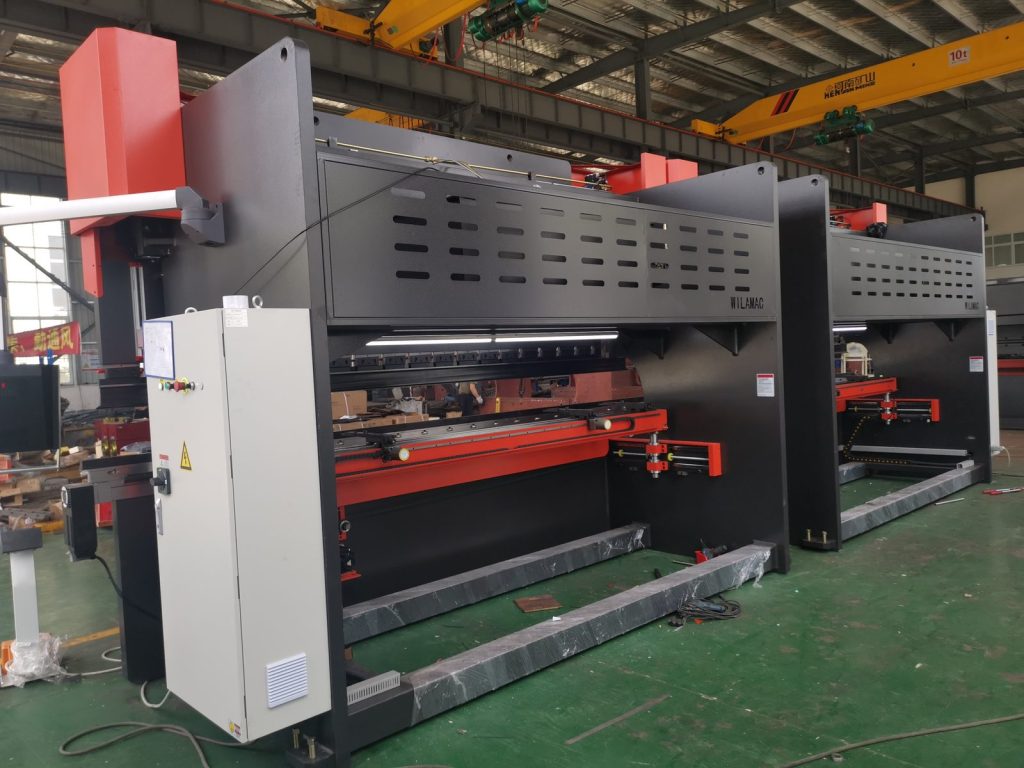
A tandem press brake is two press brake units mounted side by side and driven as one, so the ram and the backgauge stay in step across both beds. That is what makes it possible to bend a lighting pole, a lamp post or a long structural section in a single hit instead of bending it in two passes and fighting the joint in the middle. Each unit here is rated 200 tonnes with a 200mm slider stroke and a 370mm throat depth on a synchronized hydraulic frame. The two units share one control program and one bend sequence, which is the difference between a real tandem setup and simply parking two machines next to each other. Send us the longest part you need to form, the material grade and the bend profile, and we will confirm the tandem configuration and the control program before quoting.
| Machine Type | Synchronized tandem press brake |
|---|---|
| Configuration | 2 units × 200 T |
| Total Capacity | 400 T (2 × 200 T) |
| Slider Stroke | 200 mm |
| Throat Depth | 370 mm |
| Drive | Hydraulic |
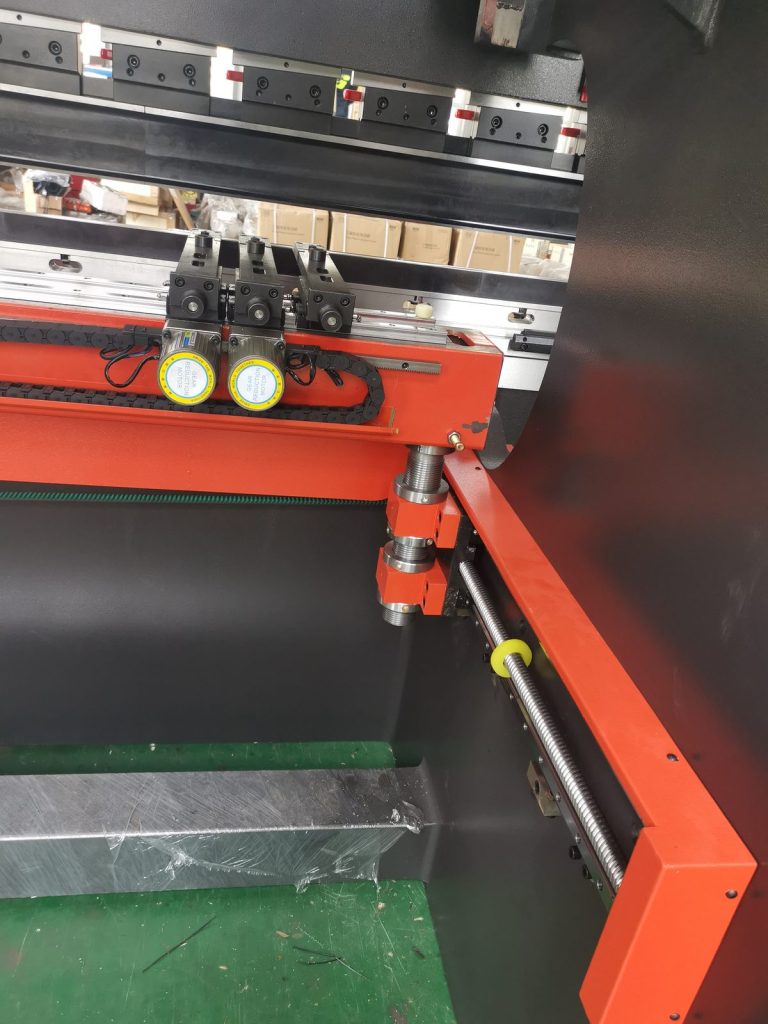
| Axis Configuration | 6 axis |
| Control System | DELEM DA-66T |
| Cycle | Fully automatic |
| Materials | Carbon steel, stainless steel, aluminium, brass / copper |
| Certification | CE |
| Machinery Test Report | Provided |
| Video Outgoing-Inspection | Provided |
| After-sales Service | Field installation, commissioning and training |
| After Warranty Service | Field maintenance and repair service |
| Place of Origin | China |
| Brand | WILAMAC |
| Minimum Order Quantity | 1 |
Why a Tandem Press Brake Rather Than Two Machines
The parts that force you into a tandem machine are the ones that are simply longer than a press brake bed — lighting and utility poles, lamp posts, long structural sections, cable trays and similar profiles. The usual workaround is to bend the part in two stages, one from each end, and then live with the mismatch where the two bends meet.
A tandem pair removes that problem at the source. Both rams move on one shared control program and one bend sequence, so the angle at the joint is set by the control rather than by an operator trying to match the second pass to the first. Tonnage is only half of it: 2 × 200 tonnes gives you the force, and the synchronization is what gives you a single continuous bend.
Two things have to be right for this to work. The two units need a matched frame and matched hydraulics, and the control has to be able to drive both rams as one axis group. That is why a tandem pair is specified and built as a pair, not assembled from two machines you already own.
Specifying a Tandem Press Brake
Start from the part. Send us the longest section you intend to form, the material grade, the plate thickness and the bend profile. Length determines the bed arrangement; thickness and grade determine the tonnage per unit, because high-tensile and stainless steels need more force than mild steel at the same thickness.
Then tell us how the job runs. If the parts are long but simple, a two-axis tandem pair will do. If the part has several different bends per piece, the axis count and the backgauge arrangement matter more than the tonnage.
What to send us:
- Longest part length, and the profile you need to produce
- Material grade and thickness
- How many different bends per part, and whether the backgauge moves between them
- Whether the two units have to run as one machine or as two independent machines for shorter work
- Voltage and phase at your site
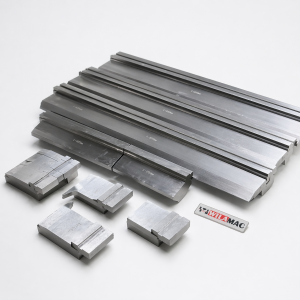
Send us those and we will confirm the tandem configuration, the control and the tooling before quoting.
